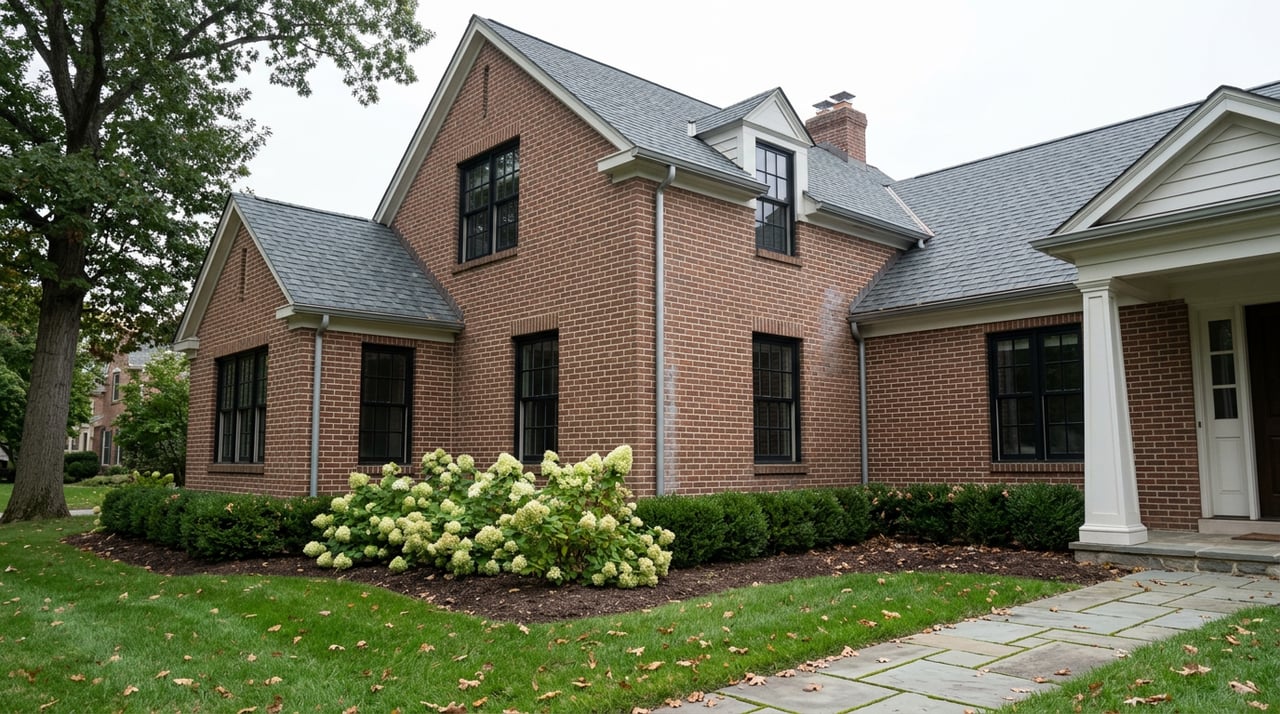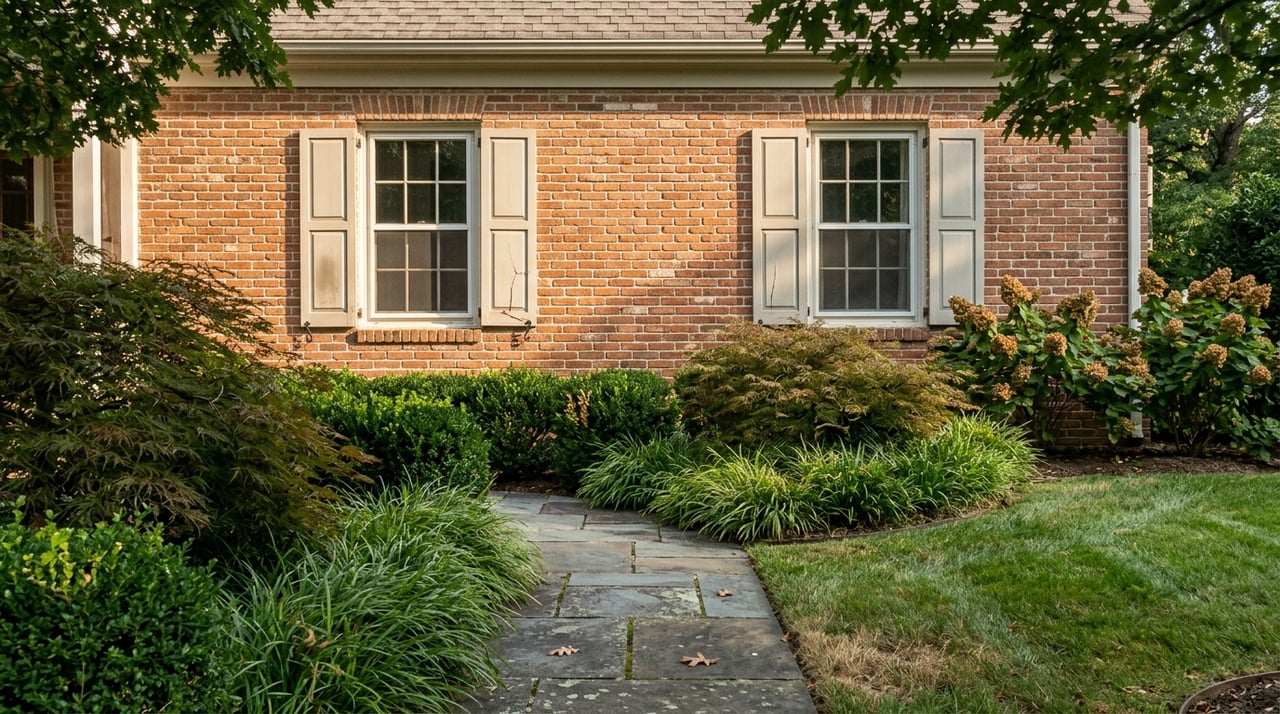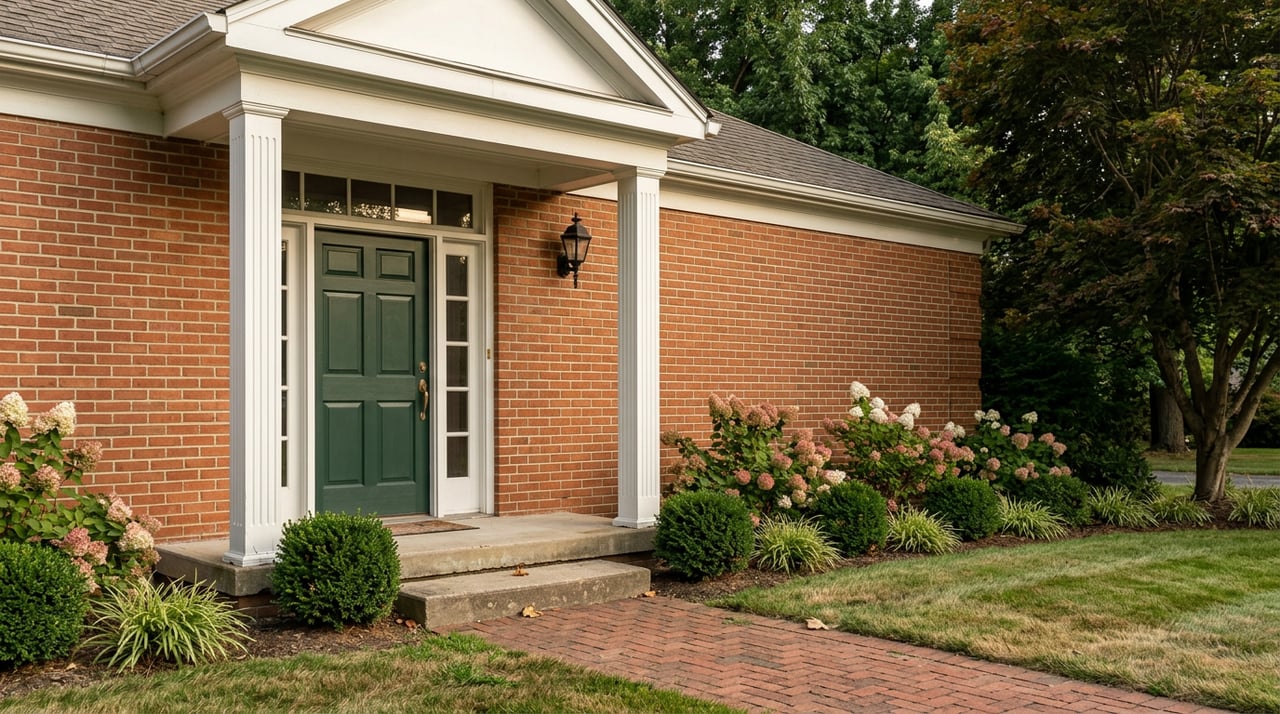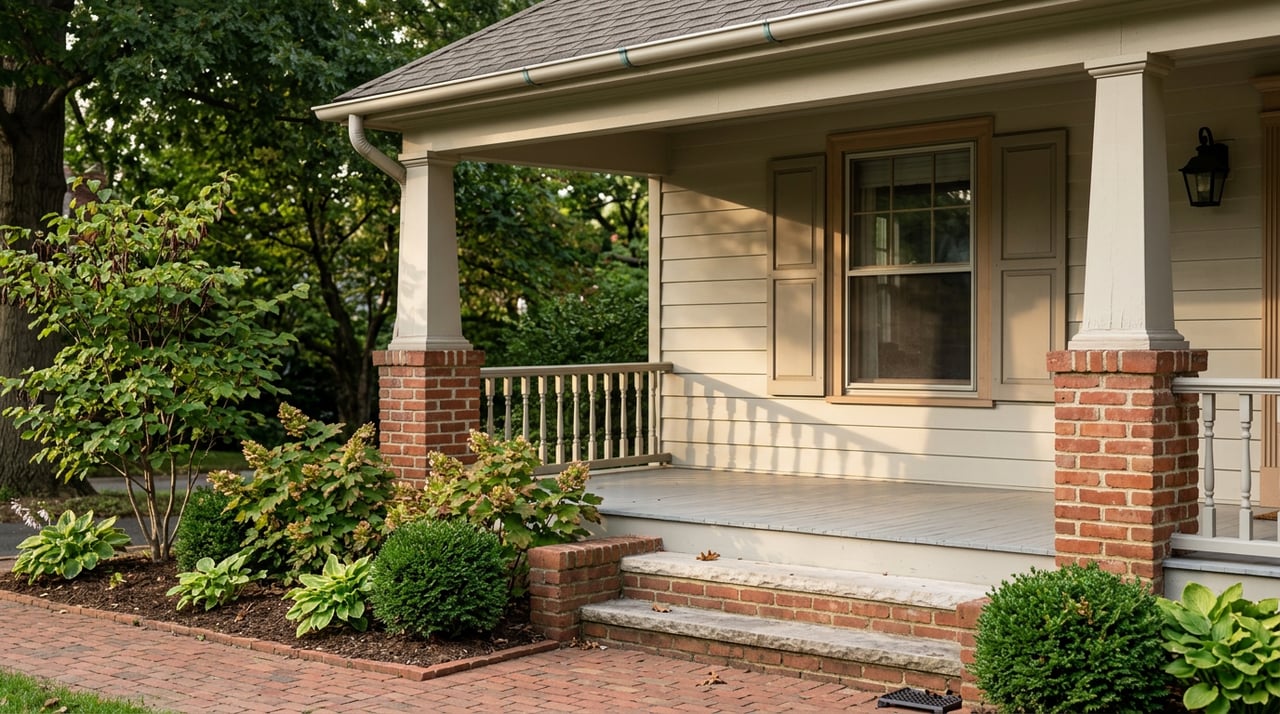
Two neighbors on the same block in Sewickley's Historic District decide to update their homes the same spring. One repoints a crumbling brick foundation wall and spends ten days waiting for a filing window, then sits through a commission meeting and a council vote before a contractor can touch the mortar. The other tears off a failing slate roof and has architectural asphalt shingles installed over a long weekend, no application, no meeting, no vote required.
Both houses sit inside the same designated district. Both projects change the exterior appearance of a historically protected building. Only one of them ever crosses a reviewer's desk. The gap isn't an oversight or a case of one owner knowing a shortcut. It's built into how the ordinance defines what counts as reviewable work, and it's the single most useful thing to understand before you renovate, buy, or list a historic home in Sewickley.
The Question Most People Ask Wrong
New buyers and out-of-town owners tend to ask, "Is my house in a historic district?" That's the wrong first question, because being inside one of Sewickley's three historic districts doesn't automatically mean every project gets reviewed. The Sewickley Borough Historic Review Commission only has authority over exterior work that would otherwise require a building or demolition permit. If the work you're planning falls outside that permit trigger, the historic designation is legally irrelevant to it, no matter how visible the change is from the street.
That distinction matters more than it sounds. The ecode360 text of Sewickley's Chapter 198 ties the Certificate of Appropriateness requirement to work that would generally require a building or demolition permit in the first place, not to the historic designation on its own. Review isn't triggered by historic character. It's triggered by permit mechanics that were written for an entirely different purpose: life safety and code compliance, not preservation.
Where the Line Actually Falls
According to the Pennsylvania State Historic Preservation Office's own account of Sewickley's preservation program, this permit-trigger structure has produced a real and visible pattern in the borough's building stock. Roof replacement typically doesn't require a building permit from the borough, so it also doesn't require a Certificate of Appropriateness, even on a building where the roof form and material are central to its historic character. Pennsylvania's historic preservation office has written directly about the consequence: historic slate and tile roofs have been replaced with asphalt shingle because doing so is the path of least resistance for owners.
Windows, porches, additions, new construction, and most facade alterations do trigger a permit, and therefore do require review. Roofing, in most cases, does not. If you're planning a renovation and you're not sure which side of that line your project falls on, that's the actual question to bring to the borough, not "will they let me do this."
Two Meetings, Ten Days, and a Filing Fee
For work that does require review, the process is more procedural than most owners expect, and it doesn't move on your schedule. Applications must be complete and received at least 10 days before the Historic Review Commission's meeting, which happens the first Monday of each month, with a $50 filing fee attached. The commission, made up of five volunteers that by design include a registered architect, a real estate broker, and a building inspector alongside a sitting council member, then votes to recommend approval, deny the application, or table it for revisions.
A recommendation isn't the end of the process. The Certificate of Appropriateness still requires a vote from Borough Council, which meets on the second Tuesday of the month. Only after council approval is the certificate issued and a building permit made available. In practice, that means a straightforward project that sails through both meetings on the first try still spans two separate public votes in a single month, and anything the commission asks you to revise adds a full cycle. If you're budgeting a renovation timeline around a closing date or a listing date, that sequence, not the scope of the work itself, is often the thing that determines whether you make it.
When the Commission Says No
The review isn't a formality, and it doesn't always go the applicant's way. In 2022, the Historic Review Commission denied a request to demolish the Herbst House, a three-story, late nineteenth-century Gothic mansion on Broad Street, when Divine Redeemer Parish sought to tear it down. The case was reported by both the Sewickley Herald and the Pittsburgh Post-Gazette, and it's the kind of outcome that owners of larger, older properties should factor into any plan that involves major reconfiguration or teardown, not just a facade update.
The state's preservation office has also pointed to a related, quieter problem: buyers who purchase inside a historic district without realizing it, discovering the constraint only after they've already planned a renovation. That's part of why Sewickley pursued Certified Local Government status, which it received from the National Park Service in May 2021, becoming one of only seven CLGs in the state's Western Region at the time.
The Rulebook Is Being Rewritten This Year
The ordinance governing all of this was adopted in 1997 and has gone largely unrevised since. That's changing now. In March 2026, Sewickley Borough issued a request for proposals to hire a consulting firm to write a new Design Guidelines and Preservation Manual for its historic districts, using similar manuals from Beaver's historic district and Mt. Lebanon as references. The scope covers building envelope materials, windows and doors, and specifically calls out roofs and drainage systems as an area the new manual will address directly.
The borough's stated preference is for the work to wrap up within 12 to 18 months of a contract start, which puts a realistic completion window sometime in 2027 to early 2028. Nothing about current review requirements changes until that manual is adopted, but it's worth knowing that the loose ends in today's ordinance, including how roofing gets treated, are actively being closed. Anyone weighing a renovation timeline this year is working under the current rules, and those rules have an expiration date.
Separately, and worth noting for anyone budgeting carrying costs during a longer review process, Sewickley Borough Council voted 6-0 in December 2025 to raise the municipal millage rate for 2026 from 4.82 to 5.07 mills, a reminder that the cost side of holding a property through a multi-month approval process isn't fixed either.
What This Means If You're Planning to Sell
For a homeowner weighing whether to renovate before listing, the practical takeaway isn't to avoid the historic districts. It's to sequence the work around what actually requires review. A roof in poor condition can often be replaced on a contractor's normal schedule. A porch rebuild, new windows, or a facade change needs to be filed with enough runway to survive two public meetings, and possibly a revision cycle, before it can be finished and photographed for a listing.
This is precisely the kind of planning MKM Property Development was built to manage, sequencing which improvements need borough sign-off and which don't, so a pre-sale renovation adds value on a timeline that actually lines up with when you want the home on the market. If you're relocating to Sewickley and considering an older property, our earlier guide on relocating to Sewickley covers the broader due diligence picture, including why it pays to check historic district status before you budget for changes, not after.
A Few Questions Worth Asking Before You File
Does every exterior change need a Certificate of Appropriateness? No. Only exterior work that would otherwise require a building or demolition permit falls under the commission's review. Confirm with the borough's zoning and building code office before assuming either way.
How long should I plan for the review itself? Budget for a minimum of two public meetings in the same month if everything is approved on the first pass, and a full additional month if the commission tables your application for revisions.
Is my house definitely inside one of the three districts? The Borough maintains maps at the Municipal Building, and the zoning and building code office can confirm district status for a specific address before you start planning.
If you're weighing a renovation ahead of a sale, or trying to figure out what a historic Sewickley property will actually let you do before you buy it, The Monica Sample Group can walk through the specifics with you. Request a Free Home Valuation and we'll help you sequence the work around what the borough actually requires, not just what the house needs.