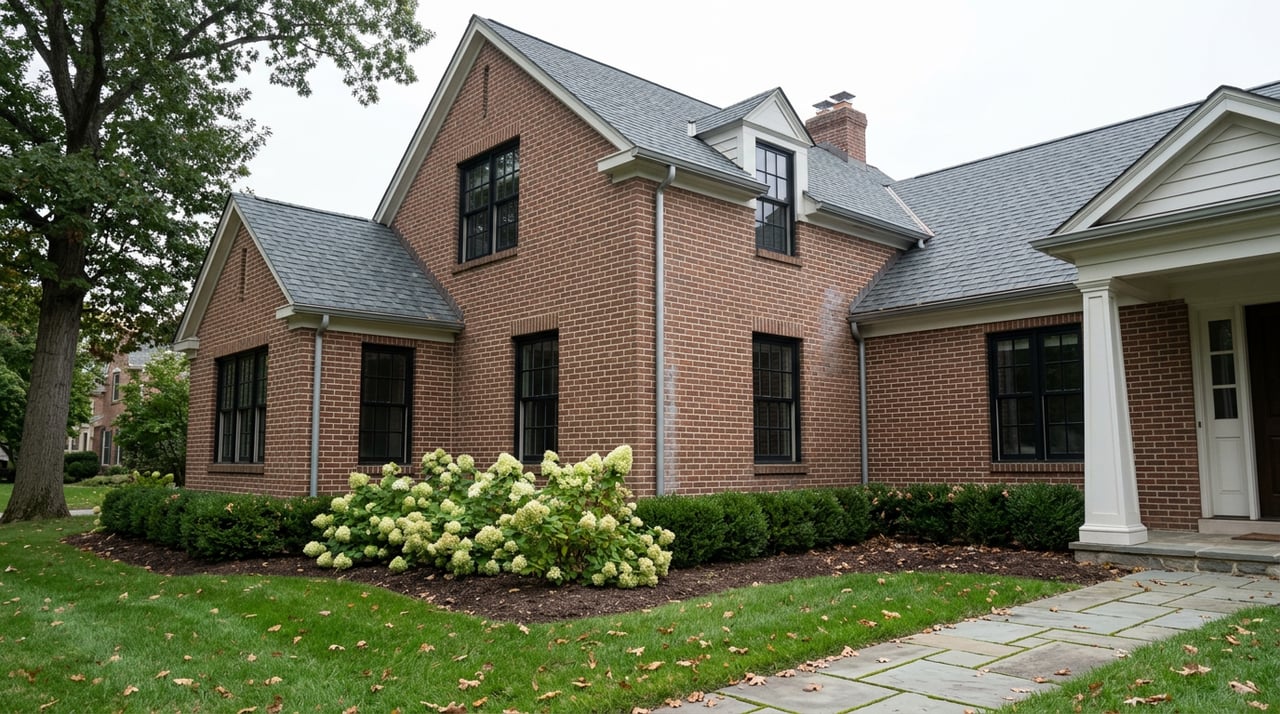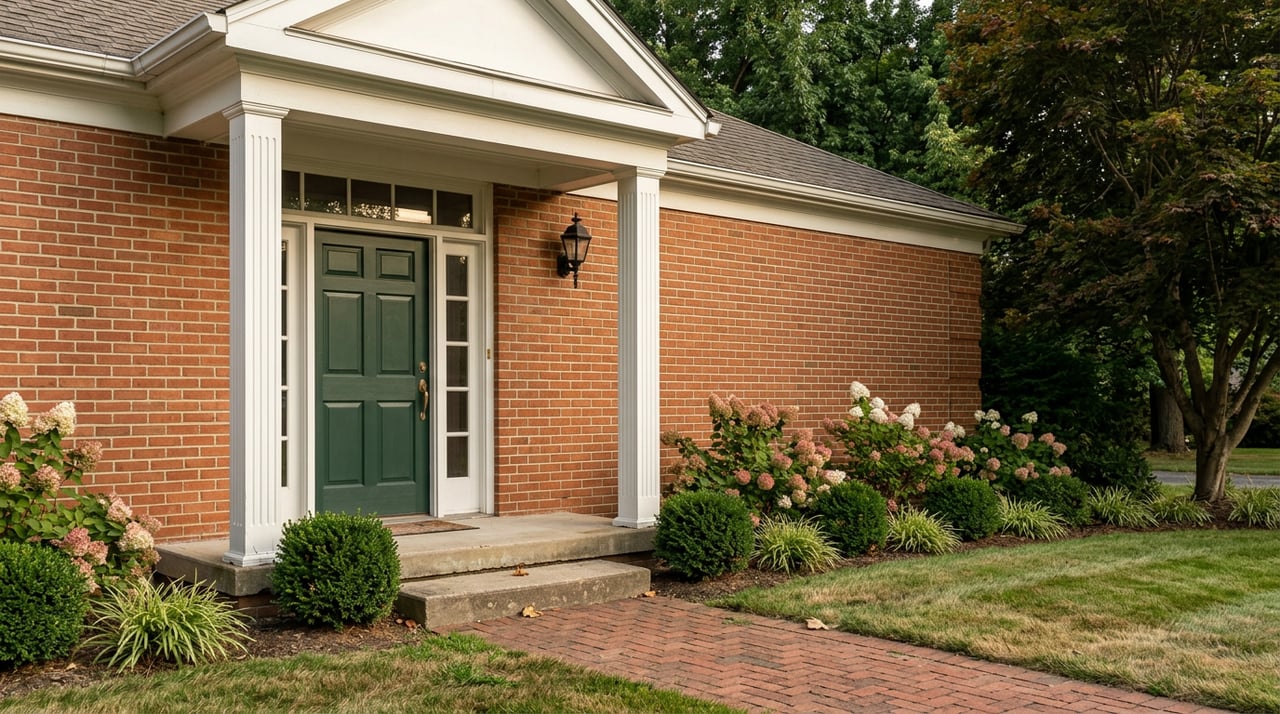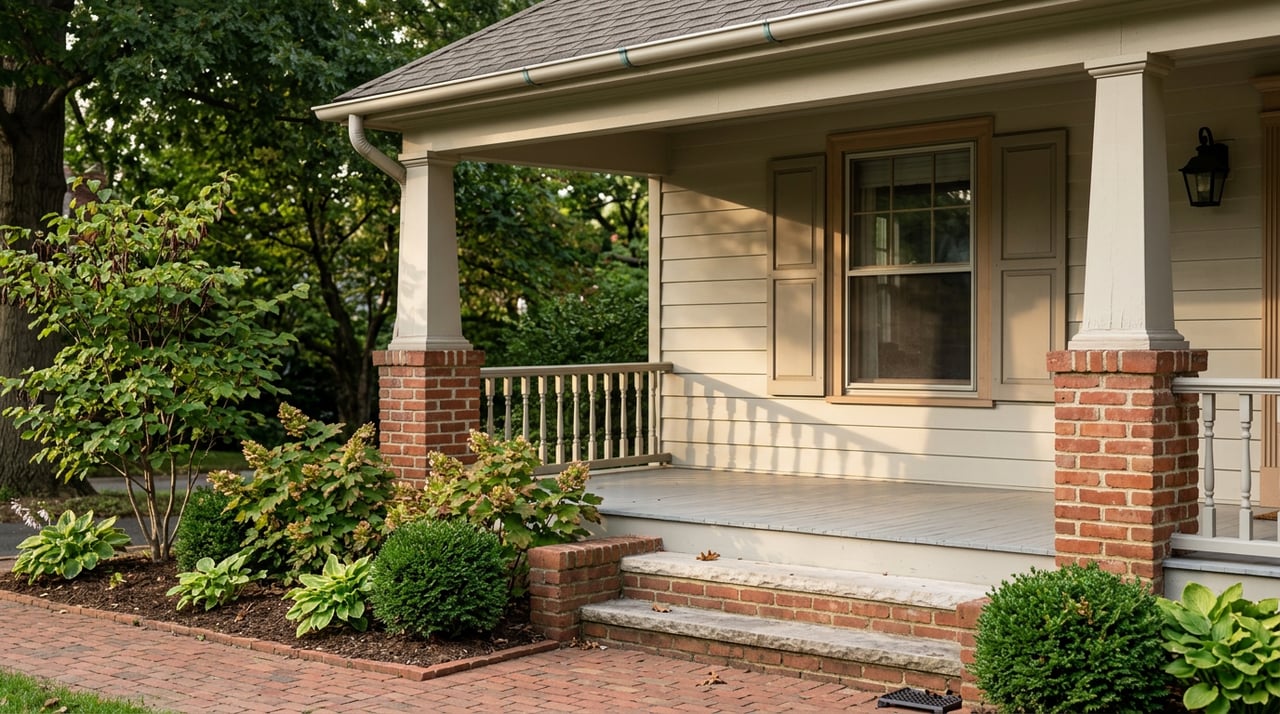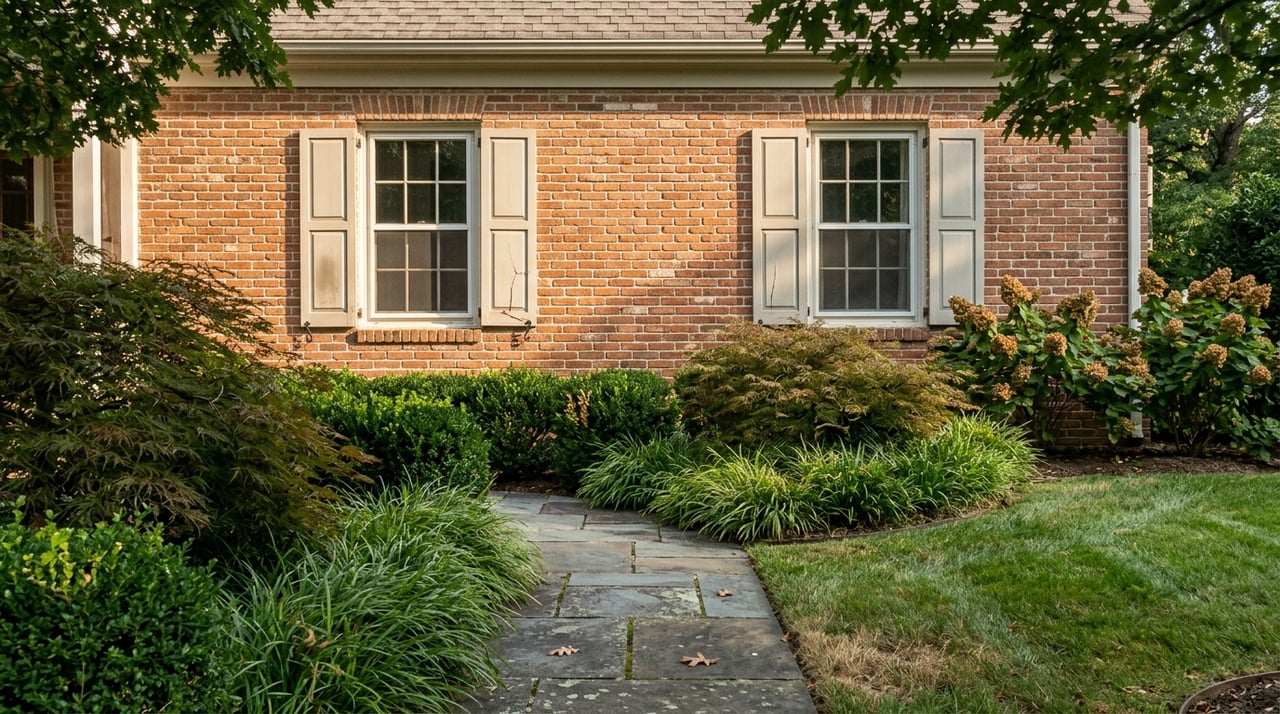
Picture two houses on the same Sewickley street. Same square footage, same lot size, same brick facade with the same gable roof. One owner has lived there since the Clinton administration. The other closed six months ago after a bidding war that pushed the sale well past asking. Come tax season, these two neighbors will not pay anywhere close to the same amount, and the gap is not a mistake. It is how Allegheny County's property tax system is built to work.
If you are buying in Sewickley this year, or you closed in the last twelve months, this is the part of homeownership that rarely comes up during showings and almost never makes it into a listing sheet. It belongs there.
Why Your Assessment Still Says 2012
Allegheny County has not run a countywide reassessment since 2012. Every property's official value for tax purposes is still pinned to what it was worth on January 1 of that year, unless something has forced a change since. That "something" is usually a sale.
Because home values have moved substantially since 2012 while assessments mostly haven't, the state uses a yearly correction factor called the Common Level Ratio, or CLR, to keep the math fair across a county where some homes were reassessed recently through appeals and most were not. The Pennsylvania Department of Revenue publishes this ratio annually, based on sales data the county reports to the State Tax Equalization Board. In plain terms, the CLR tells you what fraction of a property's current market value should be showing up on the tax rolls.
When a house sells, the county has a strong incentive to apply that ratio to the new sale price and issue a fresh assessment. When a house does not sell, nobody bothers, and the old 2012-era number just sits there.
The Ratio Keeps Sliding, and the Gap Keeps Widening
The CLR has been dropping for years, and the direction matters more than the exact figure in any single year. It moved from roughly 63.5 percent for properties reassessed in 2022 down to 54.5 percent in 2024, then 52.7 percent in 2025, then 50.14 percent for 2026. For 2027, it drops again to 49.3 percent, according to the Board of Property Assessment Appeals and Review.
That steady decline is not random. It reflects home prices climbing faster than the frozen 2012 baseline, year after year, across the county. Every time the ratio falls, it takes a smaller and smaller fraction of current market value to trigger a meaningful reassessment. A recent Sewickley sale that might have looked reasonably in line with its 2012 assessment three years ago can look glaringly out of line today, purely because the yardstick shrank underneath it.
This is the piece that catches new buyers off guard. You are not just buying a house. You are buying whatever assessment history comes attached to it, and in a market where prices have moved a long way from 2012, that history often does not match what you just paid.
Why This Lands Harder in Sewickley
Sewickley's housing stock skews older, which means a larger share of local assessments have sat untouched since the 2012 base year. Add in a market where well-priced homes routinely draw competing offers, and the distance between "what the county thinks this house is worth" and "what a buyer just paid for it" tends to be wider here than in newer subdivisions where more homes have turned over recently and already carry updated assessments.
The practical effect: buyers paying today's Sewickley prices for a home that has not changed hands in fifteen or twenty years are often the first person to trigger a real look at that property's value since 2012. The reassessment, when it comes, is not catching up gradually. It is catching up all at once, based on a purchase price that reflects a very different market than the one baked into the existing assessment.
The Part Buyers Don't Expect: Your School District Can Appeal You
Homeowners are not the only ones who can file an assessment appeal. School districts and municipalities have that same right, and Pennsylvania courts have upheld their ability to use recent sale prices as a trigger. In a case involving a Berks County school district, the state Supreme Court found that appealing properties based on sale price does not violate the constitutional requirement that taxation be applied uniformly, so long as the district isn't singling out a particular type of property. A follow-up case involving an Allegheny County buyer, Gurvich v. Allegheny County Board of Assessment Appeals, reached the same conclusion using the same reasoning.
In practice, that means a school district can watch the deed recordings, spot a sale price well above the existing assessment, and file its own appeal to raise that specific property's taxable value, even while the identical house next door keeps its decades-old number. One Pittsburgh tax appeal firm has a blunt name for it: the "welcome to the neighborhood tax." It is legal, it is common, and it is aimed almost entirely at people who just bought.
This is worth knowing before you write an offer, not after your first tax bill arrives. A purchase price that clears comps and appraises cleanly can still become the exact evidence a taxing body uses to push your assessment up to match it.
What This Means Before You Close
None of this is a reason to avoid buying in Sewickley. It is a reason to build the possibility into your numbers before you're under contract, not after.
- Ask what the property's current assessed value is and compare it to the price you're offering. A large gap is a signal, not a guarantee, of a future reassessment.
- Run the math yourself using the current CLR. Multiply your expected purchase price by 49.3 percent to see roughly what a post-sale assessment could look like, then compare that to the existing millage rates for the county, school district, and borough.
- Budget for the higher number, not the current one, especially if you're financing near the edge of your comfort range. A tax increase that shows up eighteen months after closing is much easier to absorb if you saw it coming.
- Know that the annual appeal window works both ways. If a district appeals your new assessment, you have the right to contest it at a hearing before the Board of Property Assessment Appeals and Review, and beyond that, at the Board of Viewers, which sits within the Allegheny County Court of Common Pleas.
- If you already closed in the past year and haven't looked at your current assessment, do it now. The county's annual appeal window for tax year 2027 opened in early July 2026 and closes September 1, 2026. Miss it, and the next chance doesn't come until the following cycle.
That deadline is the most immediate reason to act on this now rather than filing it away. If you bought recently and suspect your assessment doesn't reflect what you actually paid, or you're a longtime owner curious whether the falling ratio has created new room to appeal downward, the window closes in the next several days.
A Few Questions Worth Asking Before You Sign Anything
Does a low offer protect me from a high reassessment? Not necessarily. A hearing can weigh comparable sales and appraisals, not just your specific purchase price, so a below-market deal doesn't automatically shield you if similar homes nearby have sold higher.
Can I appeal before I even close? No. An appeal has to be tied to a specific owner and assessed value on record, so this is a post-closing step, which is exactly why budgeting for it in advance matters.
Does a lower CLR help buyers or hurt them? Both, depending on direction. A homeowner appealing down benefits from a lower ratio. A school district appealing a recent sale up will also apply that same lower ratio to your new purchase price, so the effect cuts in whichever direction the appeal is filed.
This is exactly the kind of detail that separates a smooth Sewickley closing from a stressful one, and it's the sort of local mechanics we walk clients through at every stage, not just the offer and inspection. If you're weighing a purchase in Sewickley or wondering what your current assessment says about your next move, The Monica Sample Group can help you look at the full picture before you're locked into a number you didn't plan for. Request a Free Home Valuation and let's talk through what your specific situation looks like heading into this year's appeal deadline.