Wondering whether you should renovate before selling your Sewickley home? In a market known for older homes, higher property values, and historic character, the answer is usually not a simple yes or no. The smartest move is often a selective one that balances buyer expectations, project cost, and local approval requirements. Let’s dive in.
Why renovation decisions are different in Sewickley
Sewickley is not a one-size-fits-all market. Census Reporter places the median value of owner-occupied homes at $464,300, which is more than double the Pittsburgh metro median, and the borough has 1,913 housing units packed into about one square mile. That means buyers are often paying close attention to condition, presentation, and how a home compares with nearby options.
At the same time, Sewickley’s housing stock includes many older homes with character and detail that buyers appreciate. The Borough of Sewickley also notes that it has three historic districts, and exterior work in those districts must be reviewed by the Historic Review Commission before a building permit is issued. So before you jump into a big exterior remodel, it is important to understand that timeline, paperwork, and approval process can affect your plan.
Buyer expectations matter here too. NAR found that 46% of home buyers are less willing to compromise on a home’s condition. In practical terms, that means visible issues like peeling paint, dated finishes, or worn curb appeal can shape offers just as much as larger upgrades.
The short answer: usually renovate selectively
For most Sewickley sellers, a full renovation is not the default answer. The better strategy is often to fix what could hurt value, refresh what buyers notice first, and avoid major projects unless your home is clearly behind comparable listings.
That approach matters because the true cost of renovation is not just contractor pricing. In Sewickley, you may also be dealing with permit timing, historic review, documentation, inspections, and, for some older homes, lead-safe renovation rules. Those factors can turn a project that looked simple on paper into something more expensive and time-consuming.
What tends to pay off before listing
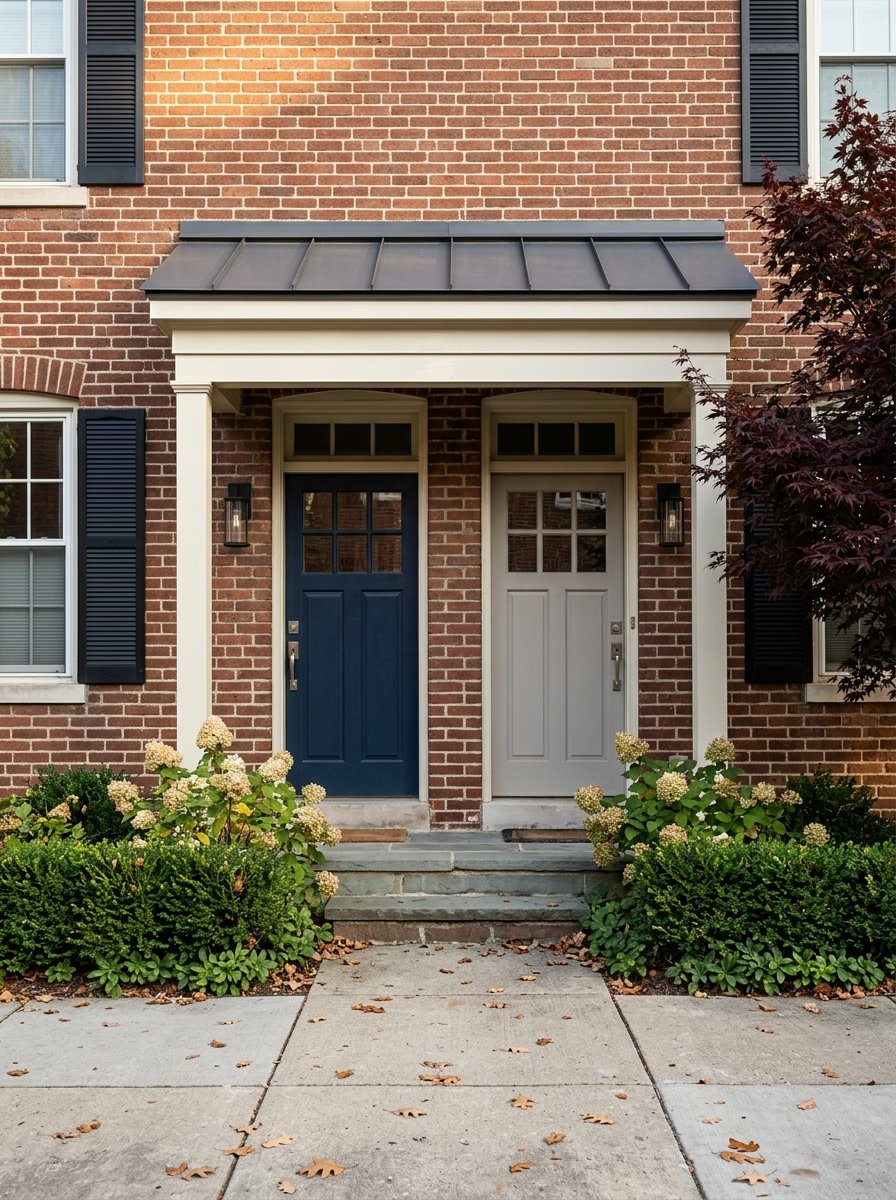
National resale data points to a clear trend: smaller, visible improvements often recover more of their cost than large, design-heavy remodels. NAR’s 2025 Remodeling Impact Report found some of the strongest estimated resale recovery in projects like a new steel front door at 100%, closet renovation at 83%, a new fiberglass front door at 80%, new vinyl windows at 74%, and new wood windows at 71%.
Some larger projects can still help, but they do not always produce a stronger return. NAR reported basement conversion to living area at 71%, attic conversion at 67%, complete kitchen renovation at 60%, minor kitchen upgrade at 60%, bathroom addition at 56%, new primary suite at 54%, and bathroom renovation at 50%.
That does not mean kitchens and baths never matter. It means buyers often respond first to updates that make a home feel cared for, functional, and move-in ready without the cost and disruption of a major overhaul.
Smart pre-sale updates to consider
If you want to improve your home before listing, these are often the most practical places to start:
- Repair roof issues or active leaks
- Fix broken windows or damaged trim
- Address peeling paint or worn surfaces
- Tighten loose railings or visible safety issues
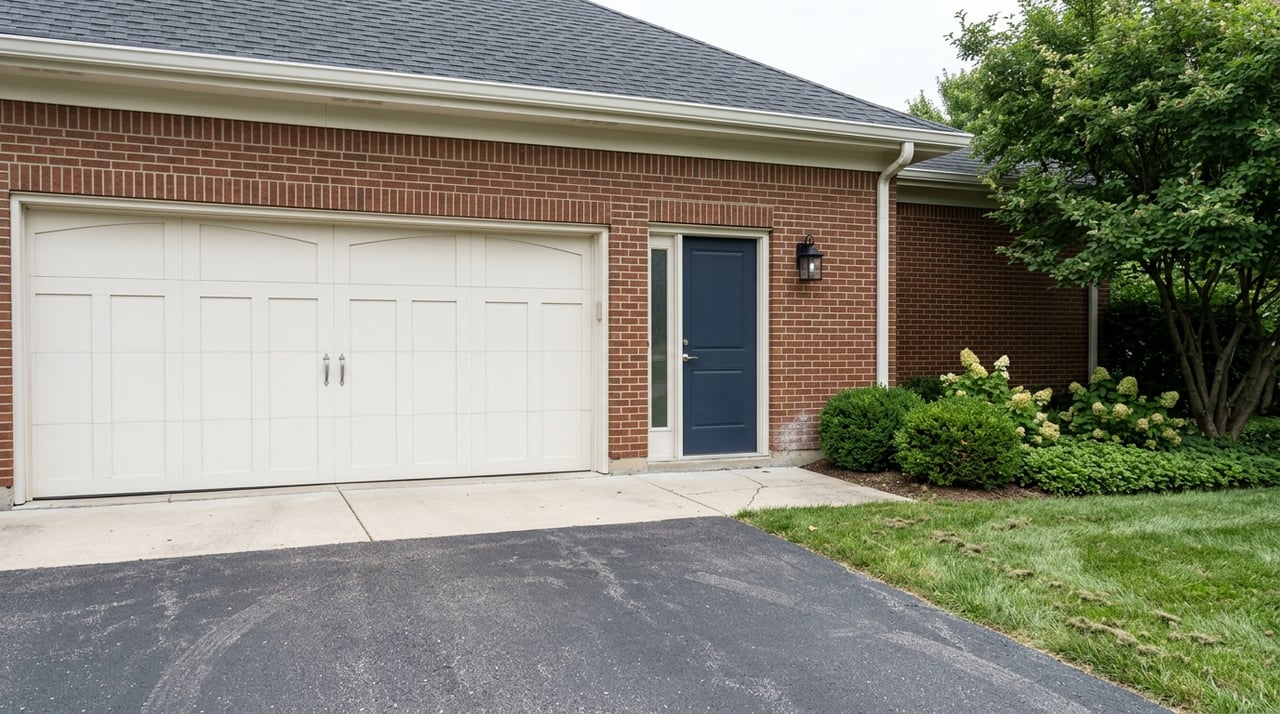
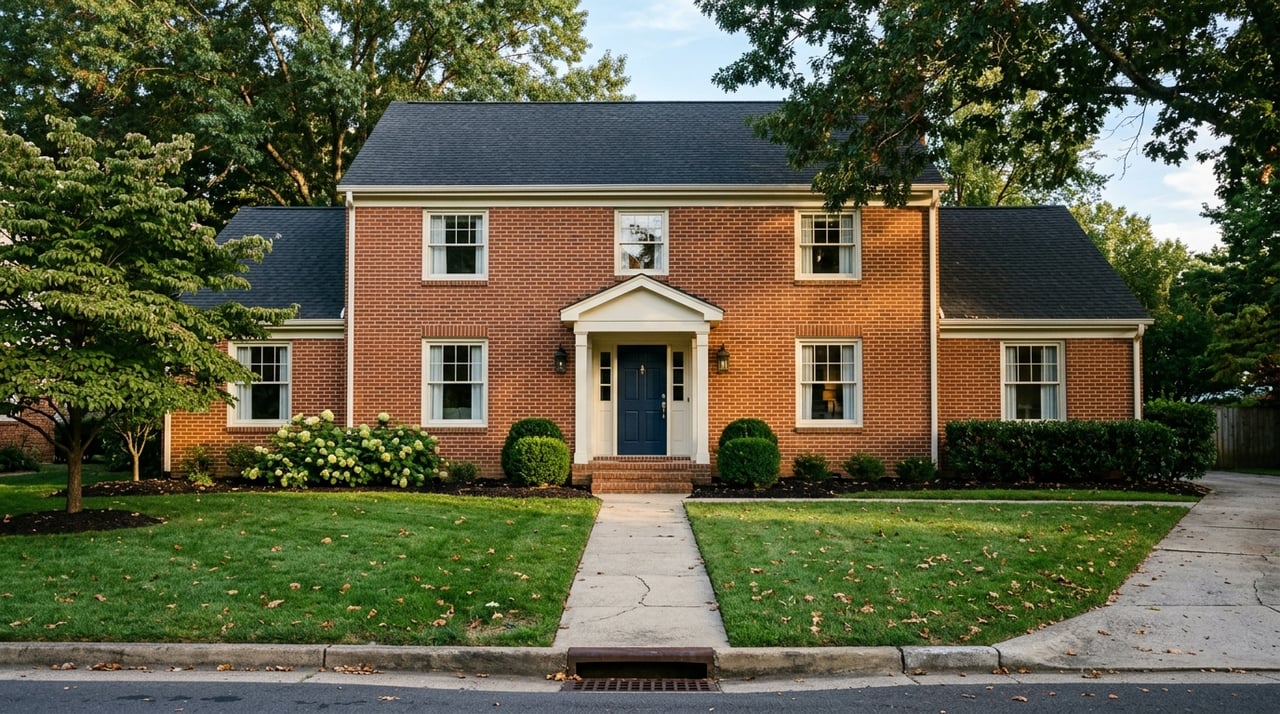
- Refresh the front entry and curb appeal
- Paint key rooms or the entire home if needed
- Update basic hardware and lighting where it looks tired
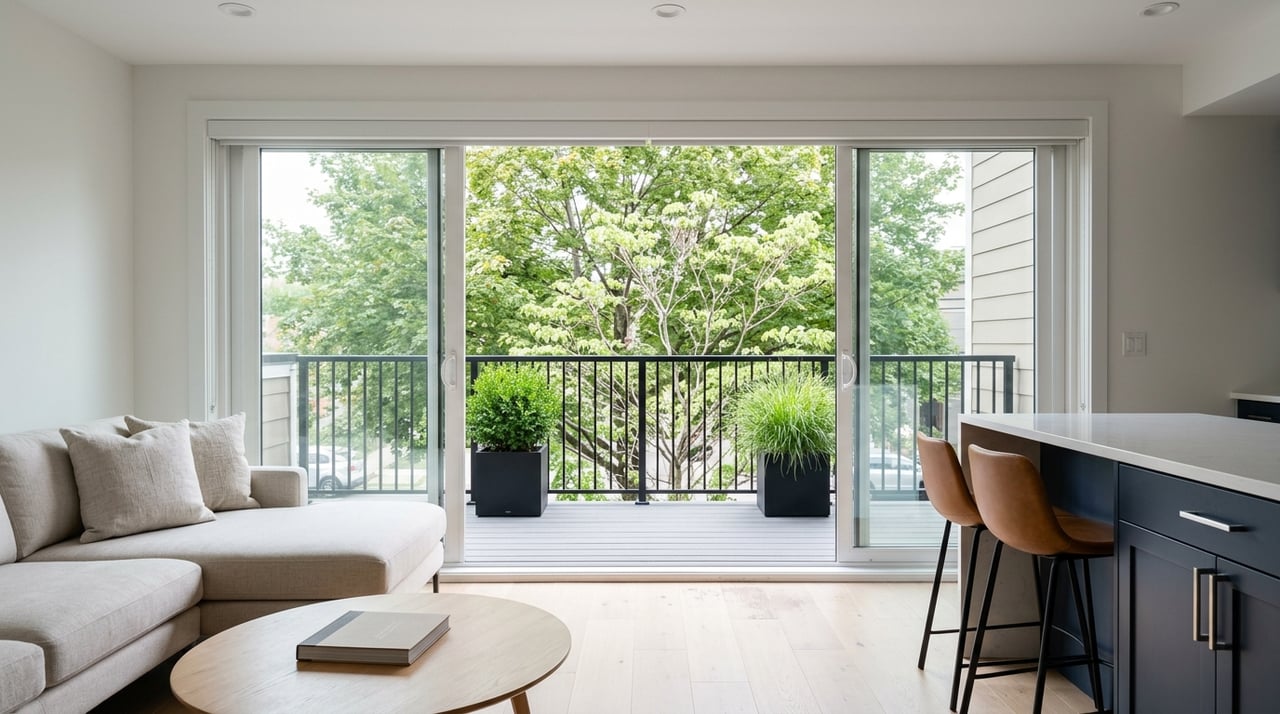
- Declutter, deep clean, and stage main living spaces
NAR also says real estate professionals most often recommend painting the entire home or at least one room and making sure the roof is in good shape before listing. Those are not flashy upgrades, but they can remove red flags and help buyers focus on the home itself.
Why staging can beat remodeling
If your finishes are acceptable but the home feels dated, staging can be a better investment than a full remodel. NAR’s 2025 staging survey found that 29% of agents said staging their sellers’ homes led to a 1% to 10% increase in the dollar value offered, while 49% said it reduced time on market.
The most common seller prep recommendations in that survey were decluttering, cleaning the entire home, and improving curb appeal. The rooms staged most often were living rooms, primary bedrooms, dining rooms, and kitchens. For many Sewickley homes, that combination of cleanup, editing, and presentation creates a stronger result than replacing perfectly functional finishes.
How the right strategy changes by home type
Older village homes
If you own an older village home, start with safety and condition. Roof leaks, peeling paint, broken windows, loose railings, and similar defects should usually be addressed before you spend money on decorative updates.
In Sewickley’s historic districts, exterior changes must go through Historic Review Commission review. Because of that, sellers often see better value from fresh paint, repaired trim, cleaned masonry, hardware updates, and staging than from a full exterior replacement, unless the current materials are failing.
There is another factor for older homes. Sewickley’s permit guidelines flag pre-1978 homes for lead safety, and the EPA says paid renovation, repair, or painting work that disturbs painted surfaces in pre-1978 homes must follow lead-safe rules and use certified contractors. That can add cost and time to larger paint, window, or exterior-surface projects.
Post-war homes
Post-war homes are often strong candidates for targeted updates rather than full gut renovations. If the layout works and the home is solid overall, a dated kitchen or bathroom may justify a modest refresh instead of a major redesign.
NAR’s resale data suggests buyers usually reward visible, lower-disruption improvements first. If your roof, windows, or front entry look worn, those updates, combined with staging and presentation, may do more for your sale than a large remodel with a longer timeline.
Already-updated homes
If your Sewickley home already has modern kitchens, baths, and exterior finishes, more renovation may offer diminishing returns. In that case, the better use of your budget is often repairs, lighting, landscaping, cleaning, and staging.
In a higher-value market like Sewickley, buyers are often evaluating location, condition, and presentation together. If your home already checks the big renovation boxes, your goal is usually to polish the product, not reinvent it.
When a bigger renovation might make sense
There are times when a larger project is justified. If your home is significantly more dated than comparable listings, or if a visible defect is likely to weaken buyer confidence or financing options, a more substantial update may be worth considering.
Still, you want to be realistic about timing. The Borough notes that major additions or structural alterations require plans, and structural work requires signed and sealed drawings. That makes a full remodel much more time-intensive than cosmetic work.
A good rule of thumb is this: only renovate when the expected price lift is clearly greater than the project cost, permit burden, and time delay. If that answer is unclear, a simpler refresh is often the safer move.
A practical Sewickley seller checklist
Before you commit to any pre-sale work, walk through these steps:
Identify defects first
- Look for issues that could concern buyers or affect financing, such as roof problems, broken windows, peeling paint, or safety hazards.
Check borough requirements
- Confirm whether your home is in one of Sewickley’s historic districts and whether the planned work needs review or approvals.
Consider the age of the home
- If the home was built before 1978, ask whether the work could trigger lead-safe renovation requirements.
Compare cost to likely payoff
- Smaller visible updates often recover more value than a full remodel.
Prioritize presentation
- Cleaning, decluttering, curb appeal, paint, and staging can have a big impact on buyer response.
Renovate only with a clear purpose
- Focus on projects that solve a market problem, not projects based on personal taste.
The best question to ask before you spend
Instead of asking, “Should I renovate?” ask, “What will buyers in Sewickley notice first, and what is most likely to improve my sale outcome?” That shift can save you from overspending on the wrong project.
In many cases, the best pre-sale investment is not a dramatic remodel. It is a focused plan that repairs what matters, sharpens presentation, and helps your home compete without adding unnecessary cost or delay.
If you are deciding whether to sell as-is, refresh key areas, or take on a larger pre-sale project, a local strategy can make all the difference. The team at Monica Sample can help you weigh the likely payoff, navigate Sewickley-specific considerations, and create a practical plan for your home.
FAQs
Should you renovate before selling a home in Sewickley?
- Usually, selective updates make more sense than a full renovation. Repairs, paint, curb appeal, and staging often provide a stronger pre-sale payoff.
What home improvements tend to pay off most before listing in Sewickley?
- Visible, lower-disruption improvements like front door replacement, window updates, paint, repairs, and staging often offer better value than major remodels.
Do historic district rules affect exterior renovations in Sewickley?
- Yes. In Sewickley’s historic districts, exterior work must be reviewed by the Historic Review Commission before a building permit is issued.
Do older Sewickley homes have extra renovation requirements?
- Yes. For pre-1978 homes, renovation, repair, or painting work that disturbs painted surfaces must follow lead-safe rules and use certified contractors.
Is staging better than remodeling before selling a Sewickley home?
- In many cases, yes. If your home is structurally sound and the finishes are basically fine, staging, decluttering, and cleaning can improve presentation with less cost and disruption.