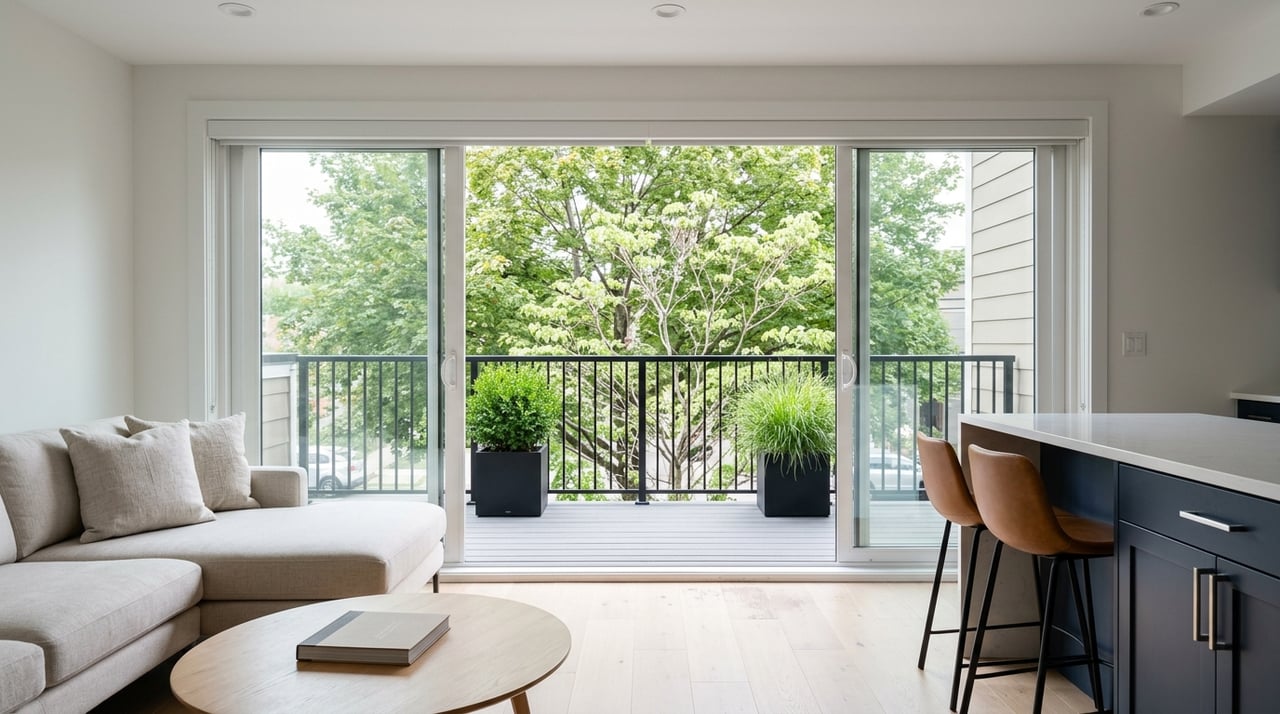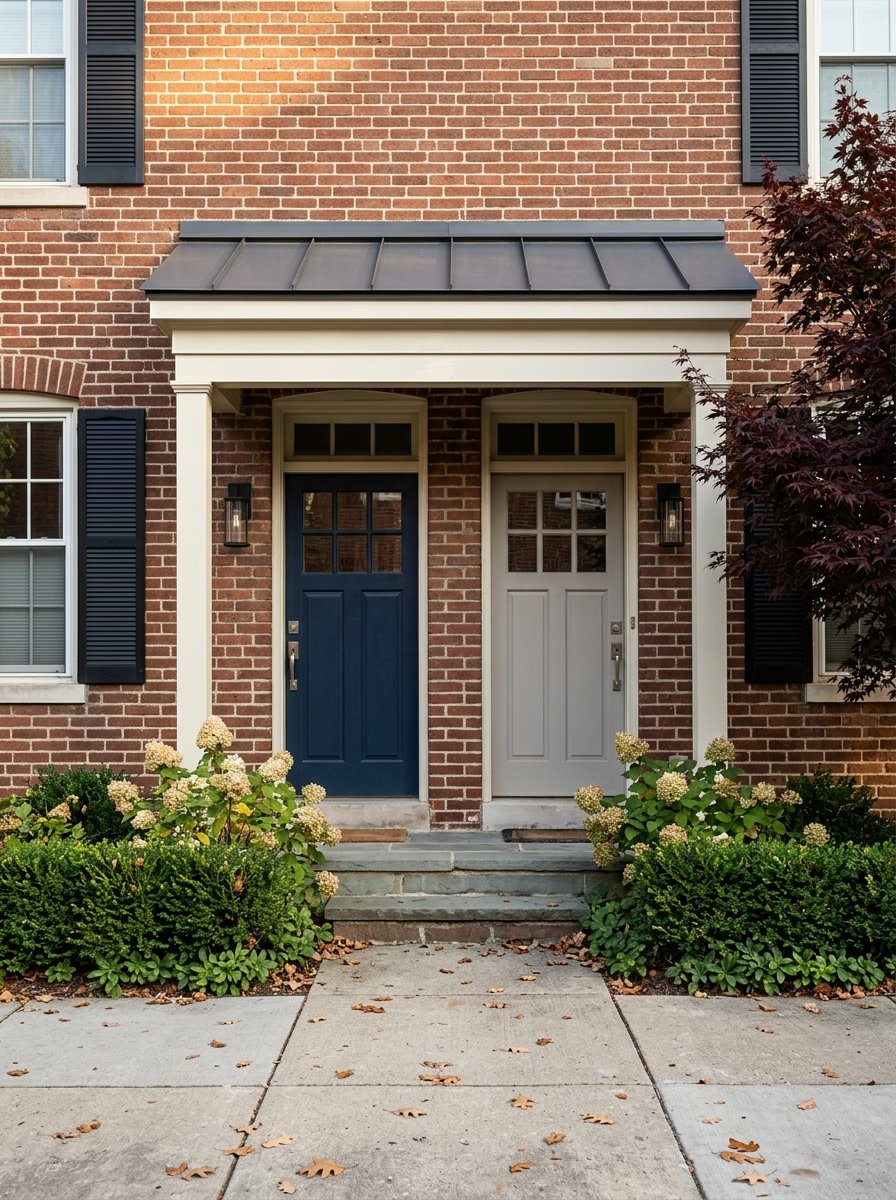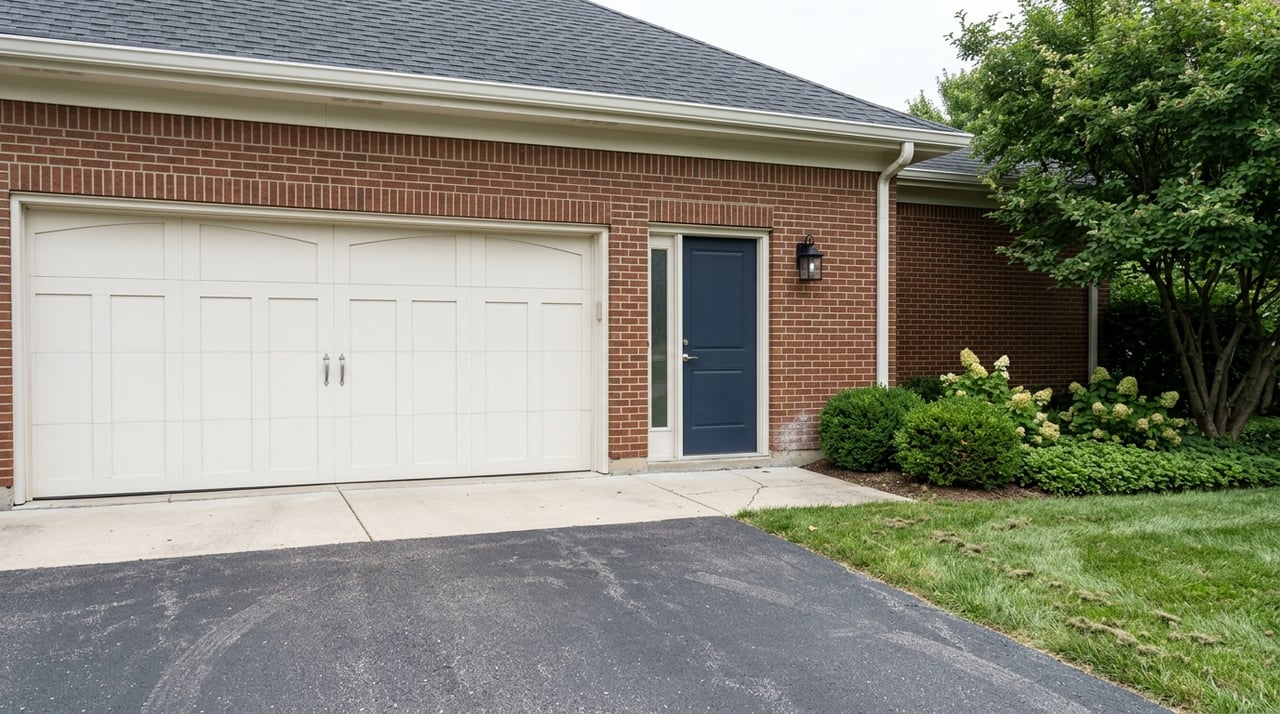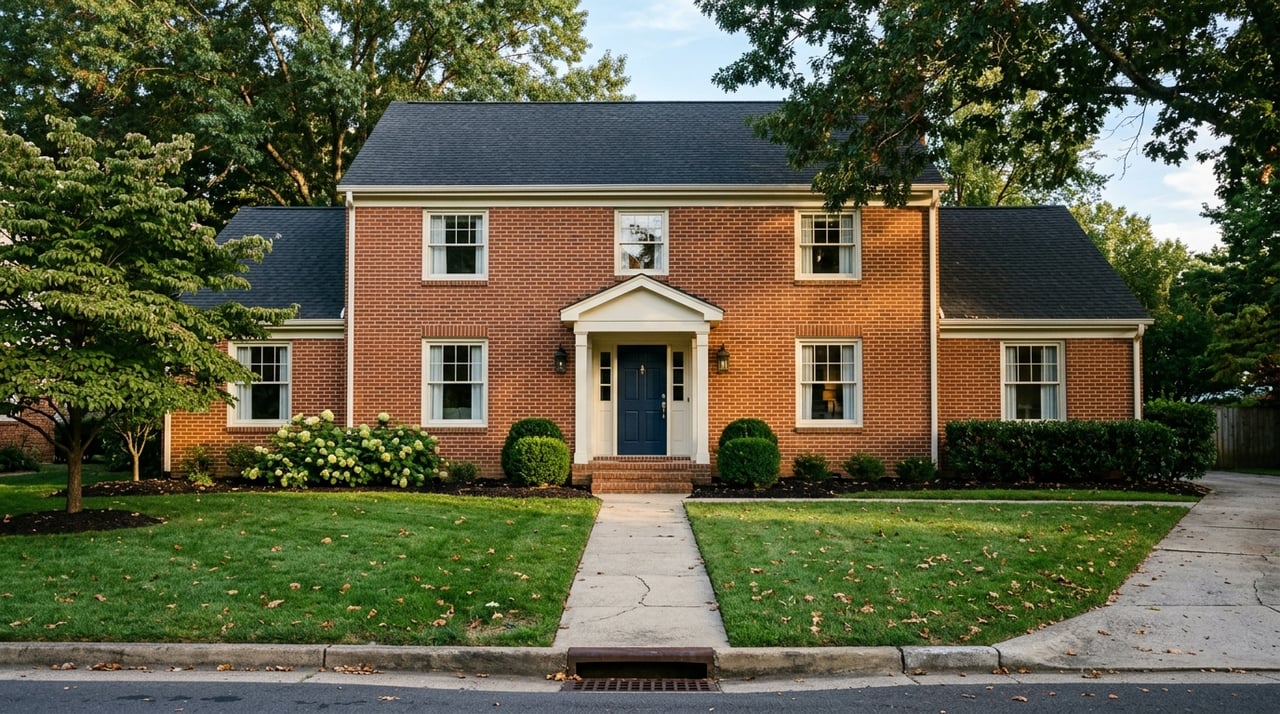
Selling a home in Sewickley can feel simple on the surface, but the details matter fast. In a small borough with a wide range of home values, historic-district considerations, and local closing costs that can affect your net, a smooth sale starts well before your listing goes live. If you want a clearer path from your first conversation to the closing table, this roadmap will walk you through what to expect and where smart preparation can pay off. Let’s dive in.
Start With The First Call
Your first call should set the strategy for the entire sale. In Sewickley, that means talking honestly about your timeline, your home’s condition, and how your property fits into a market that is far from one-size-fits-all.
Sewickley Borough is a small community in Allegheny County about 11 miles northwest of Pittsburgh. It is known for tree-lined residential neighborhoods, a walkable business district, and three historic districts. That local mix matters because two homes with the same bedroom count can still attract very different buyers depending on location, condition, and updates.
This is also the stage where you want to focus on hyperlocal pricing, not broad averages. Recent market snapshots show a wide spread in value, with sold examples ranging from roughly $415,000 to $2.35 million, which is why close comparable sales matter more than a borough-wide headline number.
Understand The Sewickley Market
Current market data suggests that many sellers should plan for a multi-week sales process. Realtor.com reported a median 41 days on market in May 2026, while Redfin reported a median 74 days on market for the three months ending May 2026.
Those two sources use different methods, but they point to the same practical takeaway. You should not assume your home will sell in a single weekend, even if it is well presented.
At the same time, pricing too aggressively can create problems. Redfin reports a 100.5% sale-to-list ratio, and Realtor.com says homes sold for about 101% of asking on average in May 2026, yet Redfin also notes that 32.3% of homes had price drops.
That combination tells you something important. Well-positioned homes can sell close to asking, but early pricing and presentation choices still shape the outcome.
Gather Disclosure Information Early
One of the smartest moves you can make is to start your paperwork before you list. Pennsylvania requires sellers of most residential properties to disclose known material defects in a signed, dated property disclosure statement before the agreement of transfer is signed.
The disclosure form covers a wide range of topics, including the roof, basement or crawl space, structural issues, plumbing, HVAC, electrical systems, appliances, drainage, boundaries, water and sewage systems, hazardous substances, and certain legal or title matters. You do not have to investigate every possible issue, but you cannot knowingly make false or misleading statements or leave out a known material defect.
In real life, that means it helps to gather repair invoices, contractor notes, permit records, and any service history you already have. When you do this early, you are better prepared to answer buyer questions and respond calmly if an issue comes up later.
Decide What To Fix Before Listing
Not every home needs a major pre-sale project, but most homes benefit from a thoughtful review of what is worth doing before launch. In Sewickley, that decision should be tied to your likely return, your timeline, and the condition of comparable homes in your price range.
This is where a practical, renovation-aware strategy can make a real difference. Some updates improve buyer confidence and presentation, while others may cost more than they return.
A focused pre-list plan often includes:
- Touch-up repairs
- Paint and cosmetic improvements
- Deferred maintenance with visible impact
- Staging and presentation updates
- A review of larger items that could raise inspection concerns
If you want more hands-on support, pre-sale improvement strategy, project management, and staging are services that can help turn a long to-do list into a clear launch plan.
Check Historic District Impacts
If your property is in one of Sewickley’s historic districts, timing becomes even more important. Exterior work within those districts must be reviewed by the Historic Review Commission and receive a Certificate of Appropriateness before the borough issues a building permit.
That does not mean your sale will be delayed automatically. It does mean that if you are thinking about visible exterior improvements before listing, you should build in extra time for review.
This is one of the biggest reasons sellers benefit from planning early. A project that feels routine in another suburb may require a different timeline in Sewickley.
Prepare For Inspections Before Buyers Do
Most buyers will include an inspection contingency, so it helps to think ahead. Pennsylvania’s Home Inspection Law expects the inspection right to involve a qualified inspector and a written report that identifies the scope of the inspection and any material defects.
For sellers, the key takeaway is simple. If you can anticipate likely inspection concerns before your home hits the market, you can decide whether to repair them, disclose them clearly, or prepare documentation that gives buyers context.
That kind of preparation can reduce stress during negotiations. It can also help you avoid last-minute surprises that affect your leverage once you are already under contract.
Launch With A Property-Specific Plan
Once your prep work is done, the goal is to launch with purpose. In a market like Sewickley, that means combining the right price with polished presentation and enough exposure to attract serious buyers over more than just the first few days.
Because the borough is small and segmented, broad pricing formulas are less useful than a property-specific strategy. A home in one part of Sewickley may compete with a very different set of listings than a similar home elsewhere in the borough.
A strong launch usually depends on a few basics done well:
- Accurate pricing based on relevant nearby comps
- Professional photography
- Clean, market-ready presentation
- A showing plan that fits your schedule
- Quick review of buyer and agent feedback in the first days and weeks
This is also where responsiveness matters. If the early market response is slower than expected, small adjustments made quickly are often more effective than waiting too long.
Navigate Showings And Feedback
Showings are not just a scheduling phase. They are one of your best sources of real-time market feedback.
In Sewickley, where listing segments can vary widely, the first few rounds of feedback can tell you whether buyers see your home as well-priced, move-in ready, or in need of a reset. If multiple buyers point to the same concern, that signal is worth paying attention to.
Sometimes the issue is cosmetic. Sometimes it is condition. Sometimes it is price. The goal is not to react emotionally, but to use early feedback to keep your listing competitive.
Negotiate With The Full Picture In Mind
An offer is more than a sale price. You also need to look at contingencies, timing, inspection exposure, and the buyer’s overall strength.
That matters in Sewickley because negotiation is still normal, even in a market where some homes sell above list. Redfin reports that 20% of homes sold above list price, which means strong outcomes happen, but they do not remove the need for careful review and negotiation.
During this phase, documentation helps. If you have already organized disclosures, repair records, and key property details, you are in a better position to respond clearly and keep the deal moving.
Plan For Closing Costs Early
One of the most important closing conversations in Sewickley involves transfer taxes. In Sewickley Borough, the local tax table shows a 0.5% municipal transfer tax plus a 0.5% Quaker Valley School District tax, in addition to the 1% Pennsylvania state tax, for a total transfer tax of 2% of the sale price.
This is one reason your net proceeds may look different from the contract number. Transfer taxes, recording-related costs, and prorations can all affect what you actually take away from the sale.
Local property tax timing matters too. Sewickley Borough states that real estate tax bills are mailed March 1, with a 2% discount through April 30, face value through June 30, and a 10% penalty beginning July 1.
That billing schedule can affect prorations at closing. It is a good reminder that the financial side of your sale should be reviewed early, not just once you have a buyer.
Get Recording Details Right
As closing approaches, accuracy becomes critical. Allegheny County’s recording office performs deed certification before recording, reviewing the grantors, legal description, and certificate of residence so the deed can be matched to the correct parcel and owner in the assessment system.
In practical terms, your closing checklist should include correct names, a clean legal description, and any documents requested by your title company or settlement agent. Small paperwork issues can create avoidable delays if they are discovered too late.
This is another reason a step-by-step selling process matters. The smoother your file is from the start, the easier it is to move from accepted offer to recorded deed.
A Smoother Sale Starts Early
The clearest Sewickley selling roadmap is also the most practical one. Start with an honest first call, gather your disclosures and records early, make smart pre-list decisions, launch with pricing tied to true comps, and keep closing costs and local paperwork in view from the beginning.
In a borough with historic charm, a broad price range, and neighborhood-by-neighborhood differences, thoughtful preparation can create less friction and better decisions at every stage. If you want a selling plan that is tailored to your home, your timing, and your goals, connect with Monica Sample to get started.
FAQs
What does the Sewickley home selling process usually include?
- The process usually includes an initial pricing and strategy conversation, disclosure preparation, pre-list repairs or staging, market launch, showings, negotiations, inspections, and closing steps such as transfer taxes and deed recording paperwork.
What do Pennsylvania home sellers in Sewickley have to disclose?
- Pennsylvania sellers of most residential properties must disclose known material defects on a signed, dated property disclosure statement, and they may not knowingly make false or misleading statements or omit known material defects.
Can historic district rules affect a Sewickley home sale?
- Yes. If your home is in one of Sewickley’s historic districts, exterior work may need Historic Review Commission approval and a Certificate of Appropriateness before the borough can issue a building permit.
How long does it take to sell a home in Sewickley?
- Recent market snapshots suggest many listings may take several weeks to reach contract, with reported median days on market ranging from 41 to 74 days depending on the source and methodology.
How much is the transfer tax when selling a home in Sewickley?
- The total transfer tax in Sewickley Borough is 2% of the sale price, made up of 1% state tax, 0.5% municipal transfer tax, and 0.5% Quaker Valley School District tax.
Why can Sewickley home sale proceeds differ from the contract price?
- Your net proceeds can be affected by transfer taxes, recording-related costs, and property tax prorations, which is why it helps to review closing costs early in the selling process.