Choosing between a historic home and a newer one in Sewickley is not just about taste. It is about how you want to live, what kind of upkeep you are comfortable with, and how much flexibility you want for future changes. If you are weighing charm against convenience in this walkable Pennsylvania borough, understanding the real tradeoffs can help you buy with more confidence. Let’s dive in.
Sewickley offers both styles
Sewickley is an older, compact borough with roots that go back to the mid-1700s, and it was incorporated in 1853. The borough describes itself as a one-square-mile community with a walkable business district and tree-lined residential neighborhoods. That setting helps explain why buyers are often drawn here in the first place.
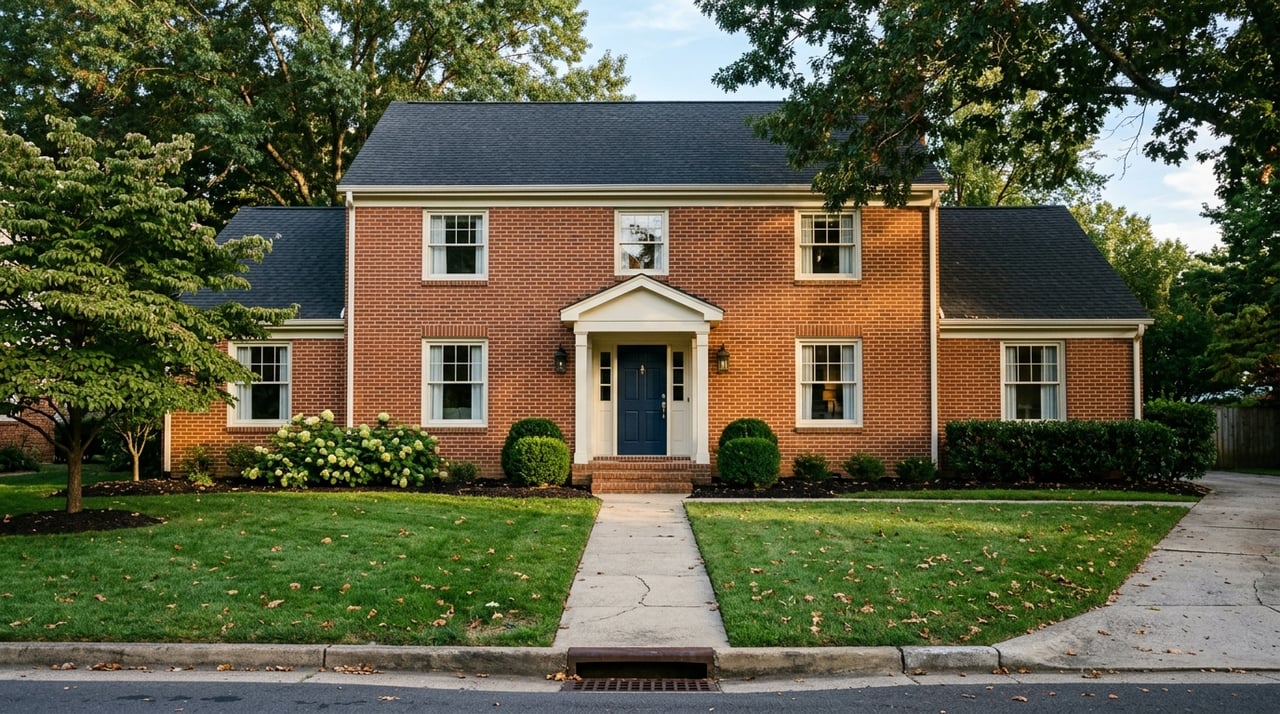
Its housing stock also spans multiple eras rather than one dominant style. Local descriptions have noted architecture ranging from Greek Revival to Craftsman, and one Sewickley historic district includes eclectic homes that reflect its past as a wealthy turn-of-the-century suburb. In practical terms, that means your search may include everything from detail-rich older houses to homes that feel more current in layout and finish.
Historic homes in Sewickley
What draws buyers in
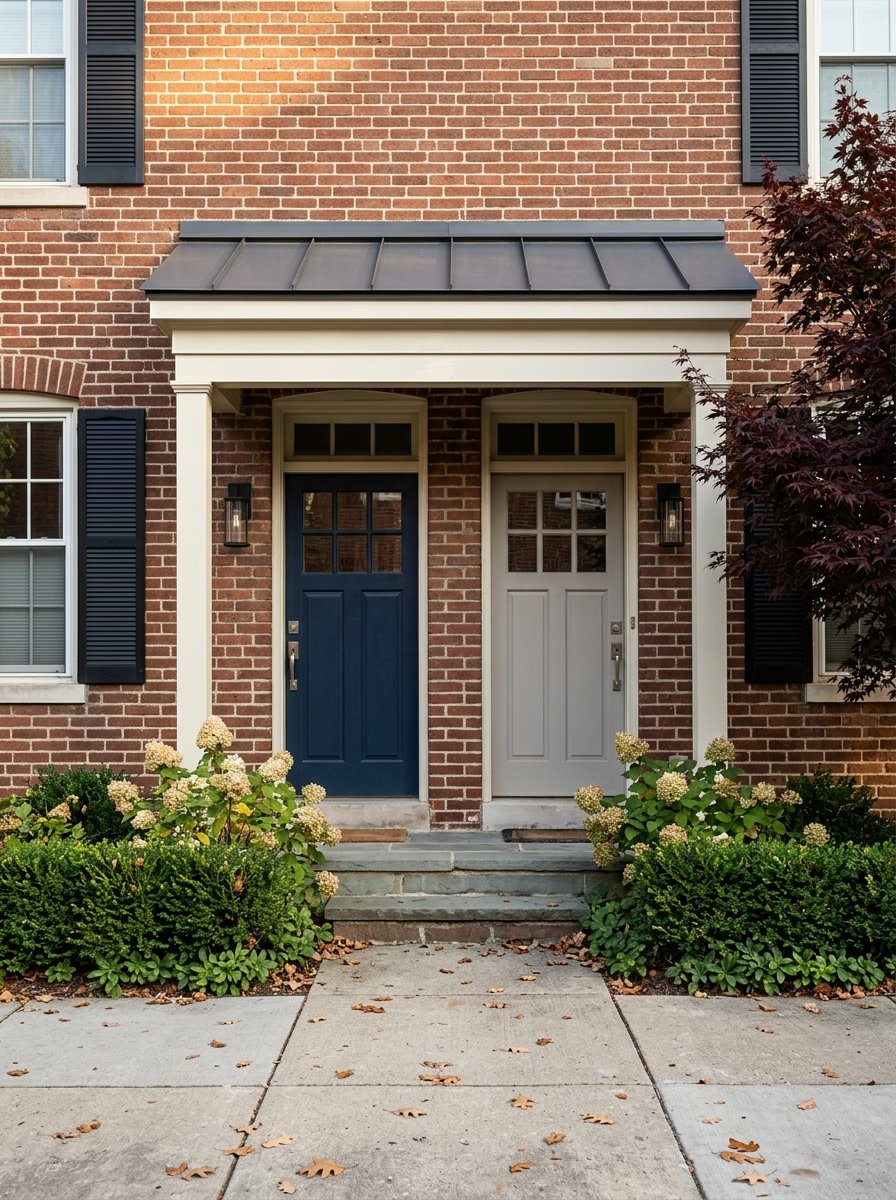
Historic homes in Sewickley often stand out for their visible craftsmanship. Preservation award examples in the area highlight details like slate roofs, stone lintels, terra cotta relief, porch column brackets, custom porch railings, and carefully preserved exterior finishes. If you value architecture with texture and originality, these features can be a big part of the appeal.
Older homes also tend to feel layered in a way that is hard to replicate. Materials, trim work, and exterior details can give a house a strong sense of identity. For many buyers, that character is the reason to choose historic over newer construction.
What to think about before you buy
In Sewickley, “historic” can mean more than a home simply being old. The borough has three historic districts, and homes within those districts may be subject to a local review process for exterior work. That is one of the most important distinctions to understand before you make an offer.
The borough’s Historic Review Commission reviews exterior work in those districts, and a Certificate of Appropriateness is required before a building permit can be issued. The code covers demolition, new construction, and visible changes to exterior architectural features. So if you are already thinking about replacing windows, changing siding, updating a porch, or adding onto the home, you will want to factor in extra planning time.
Maintenance can be more specialized
Historic-home ownership often works best when you are open to preserving original materials instead of replacing everything with standard modern options. Rehabilitation guidance commonly used for historic properties emphasizes repair over replacement when possible. That can apply to windows, masonry, roofing, plaster, stucco, and other older materials.
For example, older windows may sometimes be improved through weatherstripping, storm windows, or sash and glazing work rather than full replacement. That does not automatically make ownership harder, but it can make decisions more nuanced. If you love original character, that tradeoff may feel worthwhile.
Newer homes in Sewickley
Why buyers often prefer newer homes
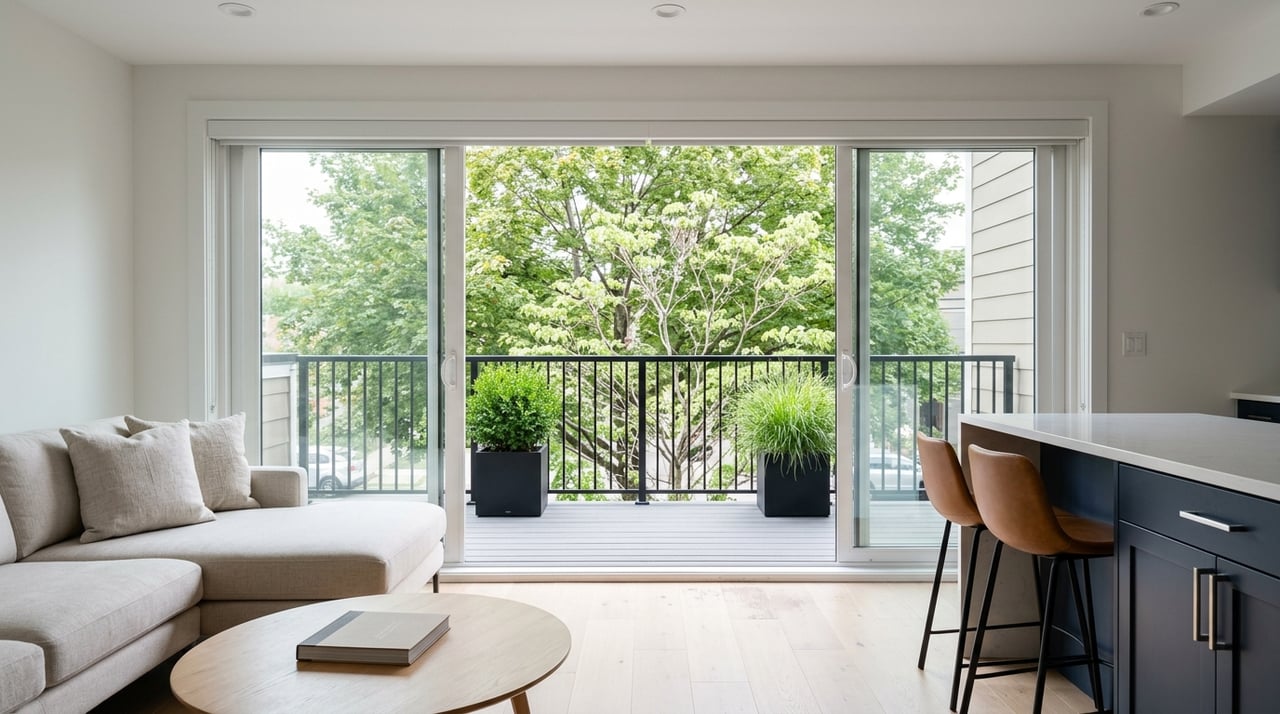
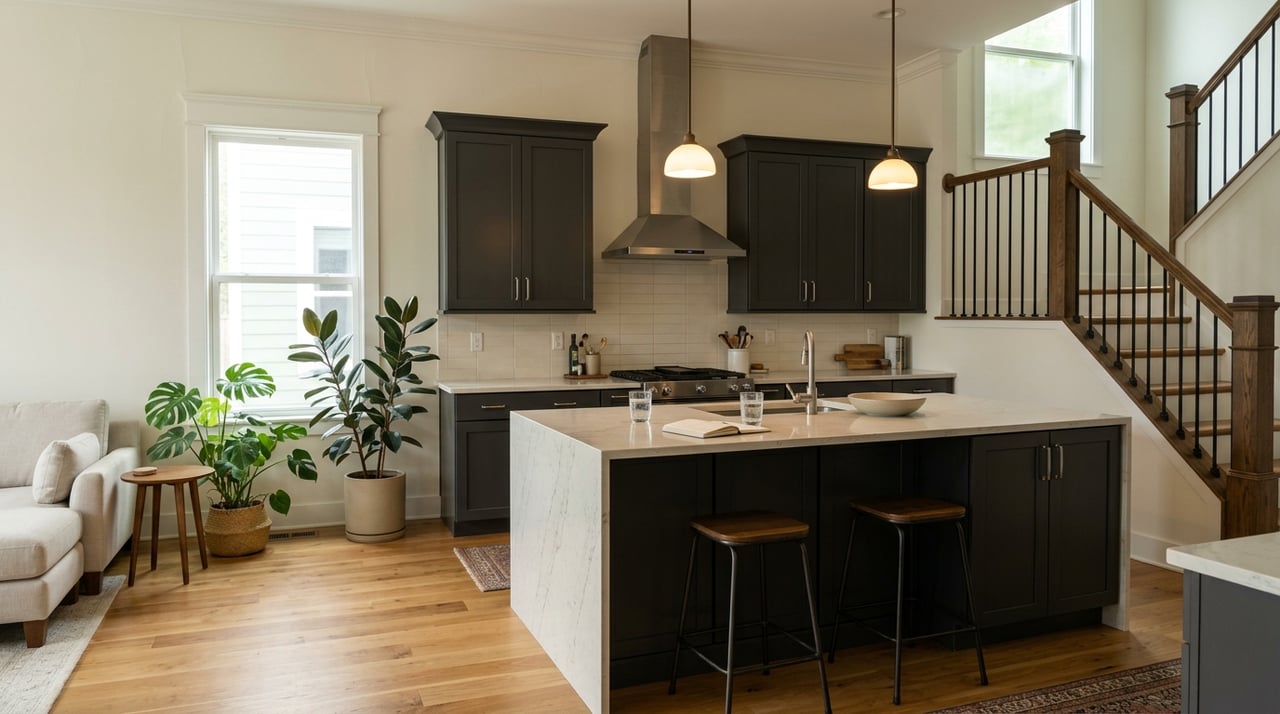
Newer homes usually appeal to buyers who want a more contemporary living pattern. Current Sewickley listing inventory includes features like open floor plans, modern kitchens, central air, and large backyards, which are often associated with newer construction or recently updated homes. If move-in readiness is high on your list, those features can be very attractive.
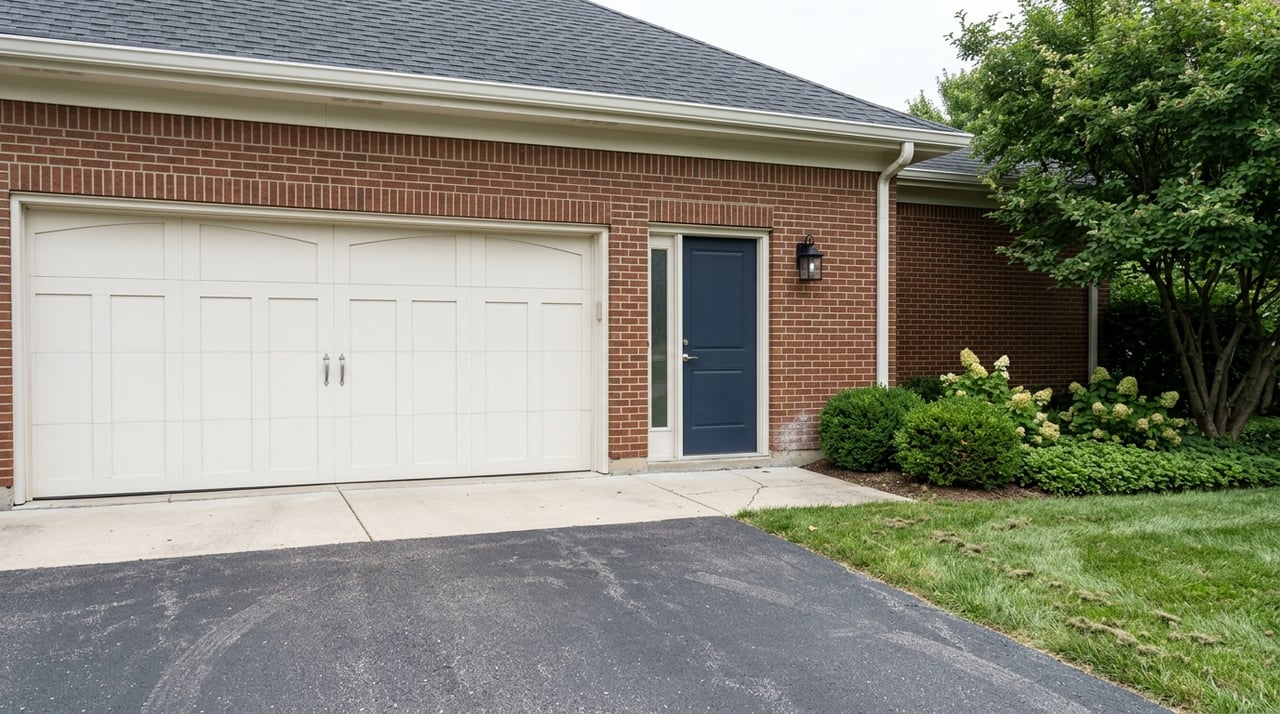
A newer home may also offer a simpler day-to-day ownership experience. Buyers often like the idea of more predictable upkeep, easier integration of modern systems, and layouts that support current routines. Attached garages, open common areas, and updated finishes are common examples of what pushes buyers toward newer options.
Future updates may be simpler
One of the biggest practical advantages of a newer home is often flexibility. If a property is outside Sewickley’s historic districts, it does not go through the borough’s historic-district certificate process for exterior work. Standard permits and code requirements still apply, but there is no added historic-review layer.
That can make future projects feel more straightforward. If you expect to update exterior finishes, expand the home, or personalize the property over time, a newer house outside the historic districts may better match your plans.
The real tradeoff in Sewickley
In Sewickley, the decision is less about old versus new in the abstract and more about oversight, upkeep, and flexibility. A historic home may give you standout architecture and original detail, but it can also come with more maintenance planning and possible design review. A newer home may offer convenience and a more current layout, but it may not deliver the same level of built-in character.
Because Sewickley is compact and walkable, both options can still give you access to the same village-scale setting. You are not always choosing between lifestyle locations. Often, you are choosing between ownership styles.
Budget expectations in Sewickley
Sewickley is generally priced above many nearby Pittsburgh-area neighborhoods, but exact market snapshots vary by source and timing. Recent public figures placed median listing prices in a broad range from the mid-$600,000s to around $750,000. That spread is a good reminder that values can differ meaningfully based on home style, condition, location, and timing.
For buyers comparing historic and newer homes, price is only part of the equation. You should also think about near-term repairs, future upgrades, and whether specialized work may be needed. A lower-maintenance home can cost more upfront, while an older home may carry added value through its architecture but require a different ownership budget.
Questions to ask on a Sewickley home tour
When you tour homes in Sewickley, a few practical questions can quickly clarify whether a property is the right fit.
- Is the home inside one of Sewickley’s three historic districts?
- What exterior changes might you want to make in the next few years?
- How old are the roof, windows, mechanical systems, and major finishes?
- Has the home been updated recently, and if so, which elements were preserved versus replaced?
- Would you rather prioritize architectural character or easier future customization?
These questions get to the heart of the decision. Age alone does not define the better choice. The right home is the one that fits your comfort level with maintenance, planning, and long-term goals.
Which type of home fits you best?
Historic homes may fit you if
- You value original craftsmanship and architectural detail.
- You are comfortable budgeting for specialized maintenance.
- You appreciate preserving existing materials where possible.
- You do not mind extra review steps for visible exterior changes if the home is in a historic district.
Newer homes may fit you if
- You want a more contemporary layout.
- You prefer simpler upkeep and more predictable systems.
- You expect to personalize the exterior or expand the home over time.
- You want fewer preservation-related constraints.
How local guidance helps
In a market like Sewickley, small details matter. Two homes may be close in price and location, but very different in ownership experience depending on age, condition, and whether they sit inside a historic district. That is why it helps to evaluate not just the house you see today, but also the decisions you may face after closing.
If you are buying, clear guidance can help you compare tradeoffs with less guesswork. If you are selling, it can also help you position your home correctly, especially when character, updates, and future buyer expectations all affect value.
Whether you are drawn to a classic Sewickley home with preserved details or a newer property with a more modern layout, the goal is the same: find the right fit for how you want to live. If you want expert help comparing homes, planning smart updates, or preparing a Sewickley property for market, connect with Monica Sample.
FAQs
What makes a home historic in Sewickley?
- In Sewickley, a home may be considered historic because of its age and architecture, but the bigger practical issue is whether it sits inside one of the borough’s three historic districts, where exterior work may require review.
Do Sewickley historic homes require approval for renovations?
- If the home is in one of Sewickley’s historic districts, exterior work such as visible alterations, additions, demolition, or new construction may require Historic Review Commission review and a Certificate of Appropriateness before a building permit is issued.
Are newer homes in Sewickley easier to update?
- Often, yes. If a newer home is outside the borough’s historic districts, it does not go through the historic-district certificate process for exterior work, though standard permits and code requirements still apply.
Are historic homes in Sewickley more expensive to maintain?
- They can be, especially if you want to preserve original materials or address issues involving older windows, masonry, roofing, plaster, or stucco. Maintenance is often more specialized than in a newer home.
What home features are common in newer Sewickley listings?
- Current Sewickley inventory often highlights features like open floor plans, modern kitchens, central air, large backyards, and other amenities associated with newer construction or recently updated homes.
What should buyers ask when touring homes in Sewickley?
- Buyers should ask whether the home is in a historic district, what exterior changes they may want to make, and the age and condition of major items like the roof, windows, mechanical systems, and finishes.