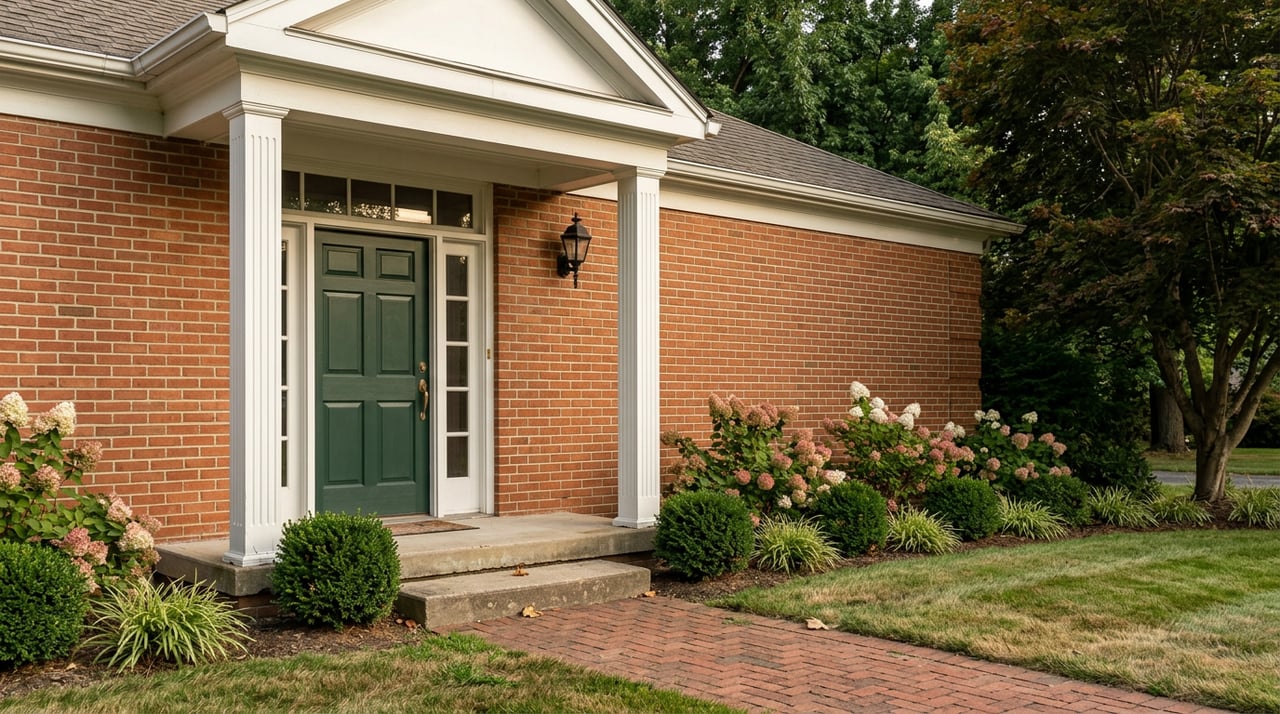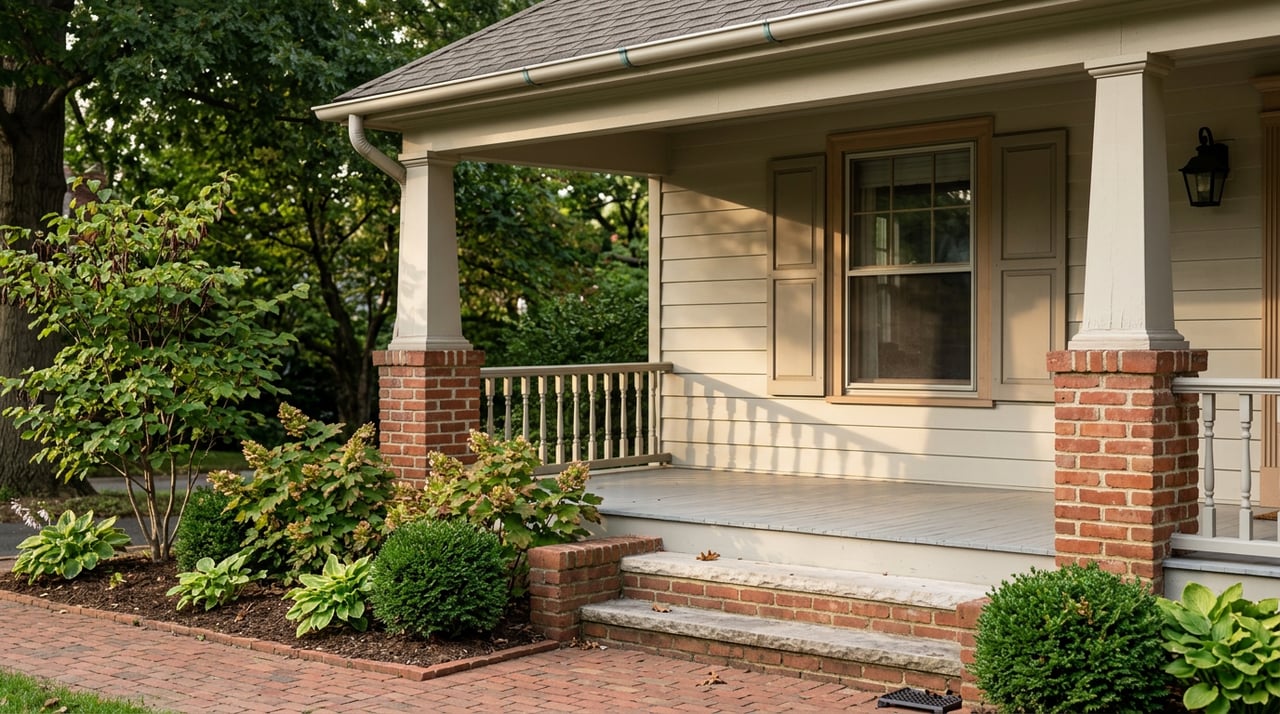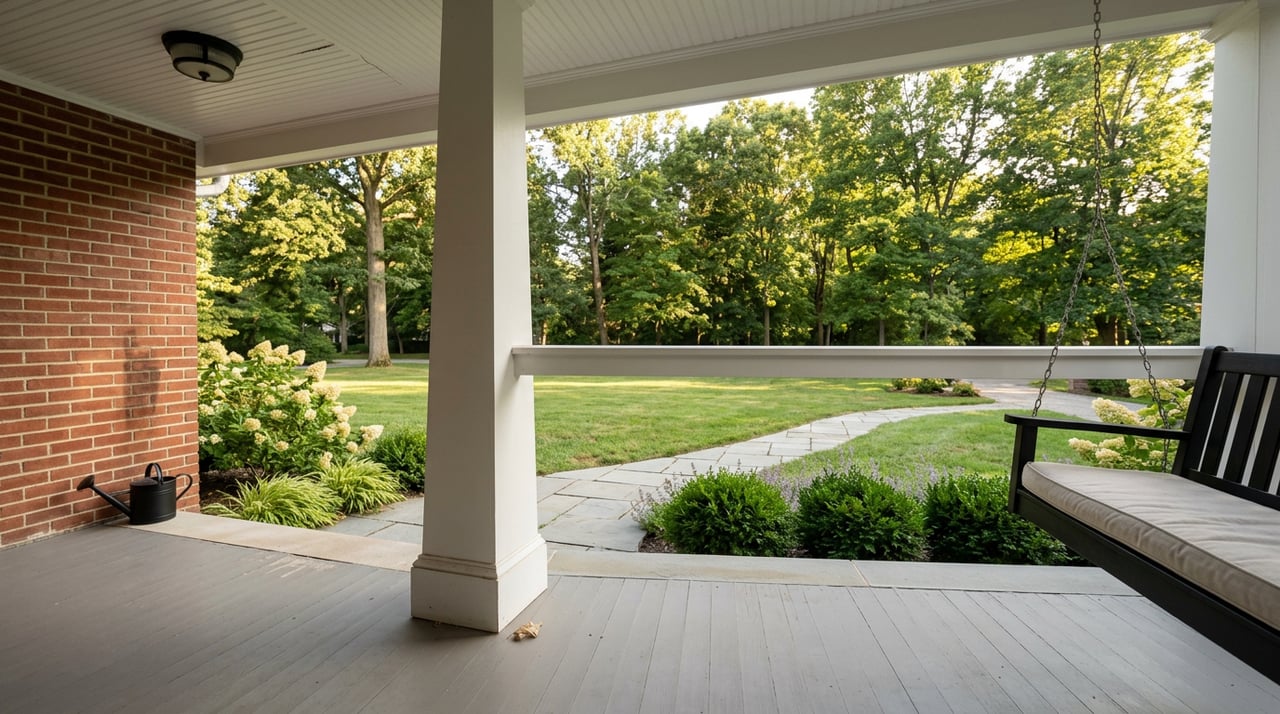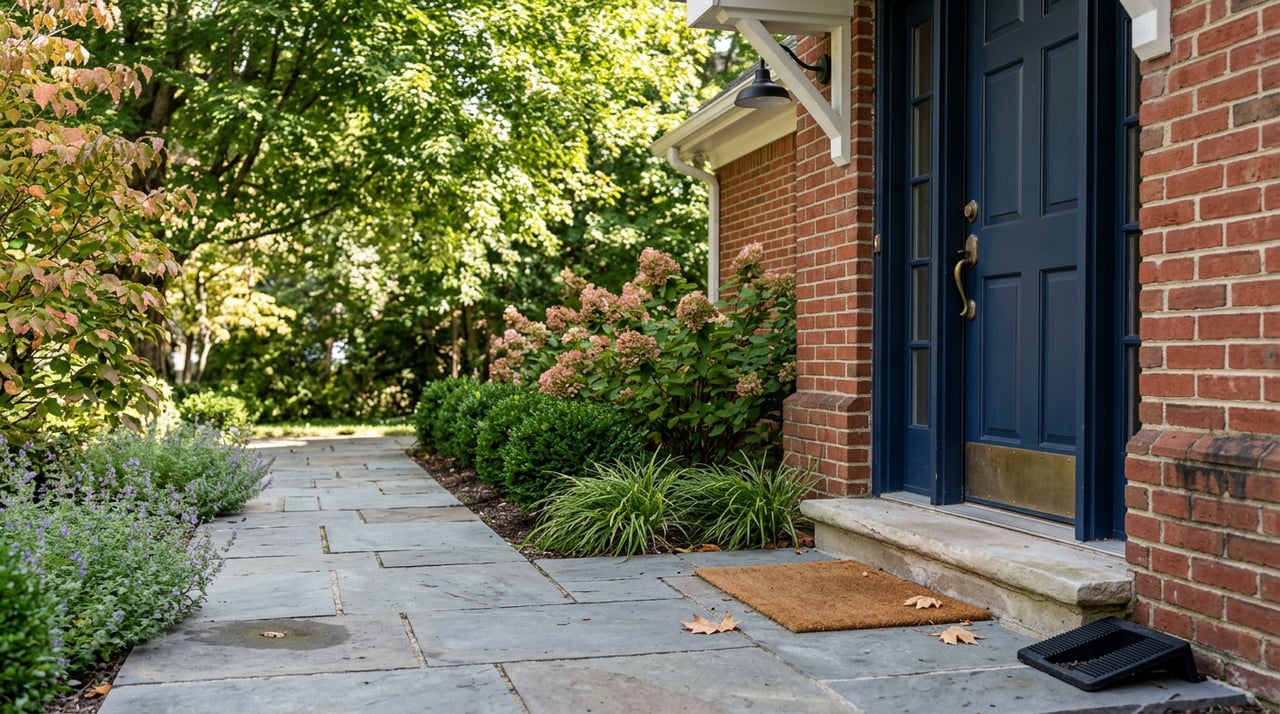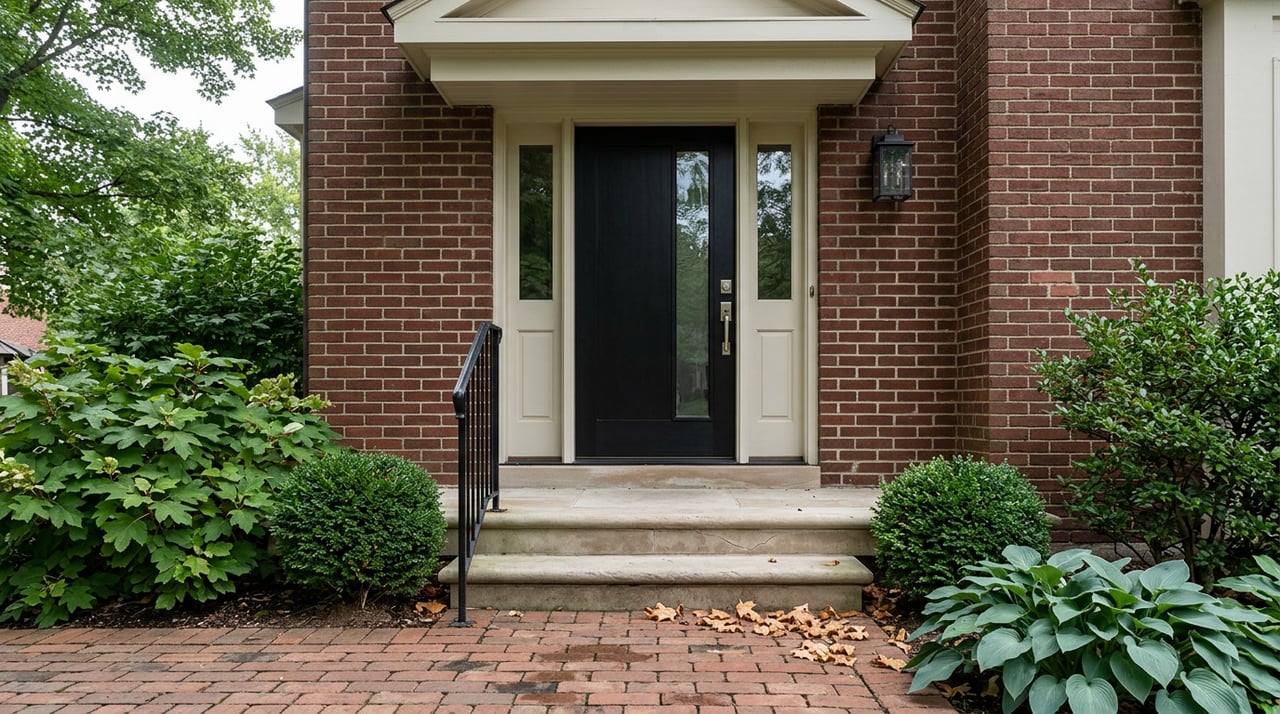
Picture yourself unlocking a sunlit foyer with original millwork, tall windows, and a wraparound porch just blocks from the Ohio River. If you love that kind of character, Sewickley’s historic homes can be a perfect fit. You also know older properties come with rules, timelines, and a few unknowns. In this guide, you’ll learn how Sewickley’s review process works, what to inspect, realistic budget ranges, financing options, and how to renovate without losing the charm that drew you in. Let’s dive in.
Why Sewickley’s historic homes appeal
Sewickley sits about 12 miles northwest of Pittsburgh along the Ohio River. Many streets feature late‑19th and early‑20th‑century homes with brick or wood exteriors, deep porches, detailed trim, and period rooflines. You’ll see styles like Queen Anne/Victorian, Colonial Revival, Dutch Colonial, Foursquare, and Craftsman.
These homes deliver generous room sizes, classic proportions, and enduring materials. With the right plan, you can modernize key spaces while preserving the features that make Sewickley special.
Know the rules before you renovate
Sewickley operates a local preservation program. If your property is inside one of the borough’s local historic districts, exterior work that requires a building permit generally needs a Certificate of Appropriateness (COA) recommended by the Historic Review Commission (HRC) and approved by Borough Council before permits are issued. You can find the HRC application checklist, meeting schedule, and contacts on the borough’s Historic Review Commission page.
If you are planning visible exterior changes, build the HRC timeline into your schedule. It is smart to ask staff early whether an address is in a local district and what level of documentation they expect for your proposal.
How the COA process works
- Submit your HRC packet at least 10 days before an HRC meeting.
- Attend the meeting or send a representative to present your plans.
- The HRC issues a recommendation; Borough Council then makes the final decision.
- After Council approval, the borough can issue the building permit.
Tip: If you know you’ll do exterior changes, ask your agent to make COA approval and permit issuance a condition in your purchase agreement timeline.
What to inspect before you buy
Older houses reward careful due diligence. Plan for a full home inspection plus specialists for the systems below.
Electrical systems
Many historic homes have wiring from multiple eras. You may encounter knob‑and‑tube or other non‑grounded wiring in attics or walls. It isn’t current‑code compliant and can be an insurance issue, especially if you’re opening walls. Learn the basics from this overview of knob‑and‑tube wiring and budget for rewiring or staged upgrades during remodels.
Plumbing and water service
Plumbing in older Sewickley homes often includes galvanized pipe or early copper, and service lines may vary by property. The Sewickley Water Authority publishes a Consumer Confidence Report with lead testing results and maintains a service‑line materials inventory. Review the latest water quality report, request the service‑line material information for your address, and consider an in‑home lead test before closing.
Heating and cooling
Boilers are common. If a unit is over 15–20 years old, assume replacement in your near‑term plan. Costs vary by fuel and layout, but a typical residential boiler replacement often falls around the low‑to‑mid four figures to low five figures; see this boiler cost guide for context. For cooling, ductless mini‑splits can add comfort without major demolition.
Roof, gutters, and exterior shell
Historic roofs may include original slate or complex profiles. Slate repair or replacement can be substantially more expensive than asphalt shingles. Inspect flashings, gutters, and chimneys closely and budget for masonry and roof work as part of stewardship of an older home.
Foundations and water
Stone or brick foundations are typical. Expect some mortar wear, capillary moisture at walls, and the need to confirm grading and downspout performance. Because Sewickley sits on the river, verify whether a given parcel is affected by the borough’s floodplain overlay; see the local floodplain code section and check FEMA maps for your specific address. If a lender requires flood insurance, build that cost into your ownership plan.
Windows and insulation
Original wood sash windows are common, and they are part of a home’s character. Many preservation pros recommend repair and weatherization with storms over full replacement. The National Park Service’s guidance on repairing historic wood windows outlines durable, cost‑wise strategies that often satisfy review boards while improving comfort.
Lead paint and asbestos
Homes built before 1978 likely have lead‑based paint. If you plan to disturb painted surfaces, federal EPA Renovation, Repair and Painting (RRP) rules apply, and as of October 2024 the EPA tightened dust/clearance standards for post‑work testing. Learn what contractors must do in this EPA enforcement alert. Asbestos can appear in insulation, flooring, and pipe wrap; plan for testing and licensed abatement where needed.
Wood pests and moisture
Subterranean termites are present in Pennsylvania, and chronic moisture can drive mold or rot in older basements. Order a professional wood‑destroying organism inspection and address drainage and ventilation early to reduce risk.
Budget: what to expect
Your final costs will vary with scope, access, and material choices, but these planning ranges help you frame conversations with contractors. For historic work, add a healthy contingency because hidden conditions are common.
| Component | Typical planning range |
|---|---|
| Electrical rewire / panel upgrade | Mid $5,000–$20,000+ depending on size and access |
| Boiler replacement (typical) | $4,000–$10,000+ based on fuel and complexity |
| Window replacement (per unit) | $400–$1,500+; repair + storms often cost less overall |
| Masonry repointing (tuckpointing) | $8–$25 per sq ft depending on complexity |
| Preservation‑sensitive whole‑house renovation | $150–$400+ per sq ft depending on scope |
- Contingency: For older homes, use 15–25% (or more) to cover hidden conditions, hazardous‑material handling, and custom materials.
- Timeline: Build in extra time for HRC review, Borough Council approval, and contractor sequencing, especially for exterior or custom millwork.
Financing and tax credits
Many buyers use renovation financing that combines purchase and rehab into one loan. FHA’s long‑standing 203(k) Rehabilitation Mortgage program offers Limited and Standard options with specific scopes, draw schedules, and completion timelines. Conventional choices include Fannie Mae HomeStyle and Freddie Mac CHOICERenovation; your lender can advise on current terms.
Historic tax credits in Pennsylvania are typically designed for income‑producing properties, not owner‑occupied single‑family homes. Learn about eligibility and certification via the state’s Historic Preservation Tax Credit program. If you plan to hold a building as a rental or convert it for commercial use, credits may apply.
Independent of preservation credits, separate energy incentives for heat pumps, insulation, and appliances may be available at the federal or utility level. Ask your lender and utility about current offers.
Renovate without losing the charm
- Start with the backbone. Prioritize roof, gutters, electrical, plumbing, and heating. These upgrades lower risk and simplify insurance and financing.
- Keep character‑defining elements. Repair original wood windows, refinish hardwoods, and preserve porch details. When elements are beyond repair, choose in‑kind or visually compatible replacements.
- Add comfort with light touch. Use ductless mini‑splits or discreet duct runs, insulation where it does not trap moisture, and interior or exterior storms to boost performance.
- Design for approvals. Exterior changes should maintain original proportions and materials where visible from the street. A preservation‑minded architect or contractor can help you prepare an HRC‑friendly package.
Your next steps (and how we help)
If you are serious about a historic Sewickley home, a clear plan will save you time and money. Here is the process we recommend — and how we support you through it:
- Verify historic‑district status. We help you ask the Borough whether the address sits in a local district and what exterior work triggers HRC review. We also request any prior COAs and permits on file.
- Build your inspection roster. We schedule a full home inspection plus electrical, HVAC/boiler, chimney, sewer camera, termite, and lead/asbestos testing as needed.
- Meet the HRC early. If exterior changes are likely, we arrange a pre‑application conversation with HRC staff so your design team knows the expectations and timeline.
- Price the work. We gather written, line‑item bids from contractors experienced in historic rehab and help you compare options for repair vs. replacement.
- Align financing with scope. We connect you with lenders who offer renovation‑friendly loans like FHA 203(k) and confirm draw schedules and completion windows.
- Create a schedule and contingency. We map the HRC timeline, Borough Council meetings, ordering lead times, and contractor sequencing with a realistic buffer.
- Manage the project. Through our MKM Property Development service, we can coordinate vendors, oversee work, and stage the home for move‑in or future resale.
If you want a historic home that lives beautifully today, we would love to guide you through it. Reach out to Monica Sample to start a plan that fits your goals and timeline.
FAQs
What does Sewickley’s Historic Review Commission require for exterior work?
- If your home is in a local historic district, exterior work that needs a building permit typically requires a COA recommended by the HRC and approved by Borough Council before permits are issued; see the borough’s HRC page for process and deadlines.
Are owner‑occupied historic homes in Pennsylvania eligible for tax credits?
- State and federal historic rehabilitation credits generally target income‑producing properties (commercial or rental); owner‑occupied single‑family homes typically do not qualify; review the state’s Historic Preservation Tax Credit overview.
How long should I budget for COA approval in Sewickley?
- Allow time to prepare drawings and materials, submit at least 10 days before an HRC meeting, attend the meeting, and then wait for Borough Council action; build this review window into your project schedule.
Can I replace windows in a Sewickley historic district?
- Often yes, but repair and weatherization with storms are frequently encouraged to preserve character; consult NPS guidance on repairing historic wood windows and discuss your plan with HRC staff before you order.
Will I need flood insurance for a river‑adjacent Sewickley home?
- It depends on the specific parcel and lender; check FEMA maps for the address and review the borough’s floodplain overlay code to understand restrictions and potential requirements.
How do renovation loans like FHA 203(k) work for historic homes?
- They combine purchase and rehab into one mortgage with defined scopes, draws, and completion timelines; start with FHA’s 203(k) program page and confirm details with your lender before you write an offer.